

There’s no shortage of products, routines, and “must-haves” when it comes to beauty. New ingredients trend every few months. New devices promise transformation. And somewhere in all of that, it’s easy to lose sight of what actually works.
I remember preparing for a birthday trip to Japan, hoping (honestly, praying) that the TikTok products I’d convinced myself were miracle skincare would finally clear my skin before stepping into any onsen. They didn’t. Not even close. Instead, I spent nearly two years cycling through products, chasing quick fixes, and avoiding the one thing that actually would’ve helped: going to a dermatologist.
Don’t be like my past self: take charge of your health and beauty routine.
Start Here: Stop Guessing, Start winning
Before anything else…consult a dermatologist.
Not TikTok. Not YouTube. Not trial-and-error cycles that leave your skin worse than where you started.
If you’re dealing with acne, hyperpigmentation, irritation, or anything persistent, a professional can:
- Identify the root issue
- Prescribe what actually works
- Prevent long-term damage
Everything else in this list works best when it’s aligned with informed care, not random experimentation.
If you don’t have insurance or easy access to in-person care, services like nurx.com can be a helpful alternative. Nurx offers online consultations and prescriptions for common skin concerns.
The Core Skincare That Actually Moves the Needle
Tazarotene 0.1%
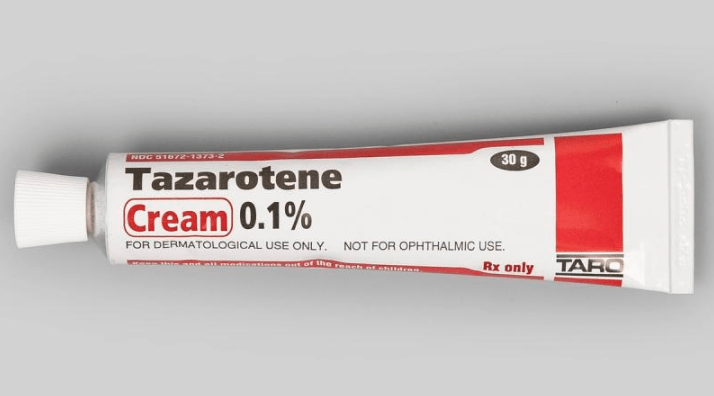
This is not a casual product. It’s a powerful retinoid.
I used tretinoin consistently for about five years in my twenties, and it worked well for me at the time. But, when my research took me to the south of India, where I was spending hours in 105°F heat and direct sunlight, I stopped using it. After a few months off, my skin seemed “fine,” so I left it alone.
Then, my early thirties hit. Hormonal shifts, increased sensitivity set in and my skin changed in ways I didn’t fully anticipate. I went back to tretinoin thinking it would fix everything again. When my skin reacted poorly, I told myself it was just “purging.” I gave it time…months, then nearly a year, trying to push through what I thought was part of the process. It wasn’t.
Eventually, I went to a dermatologist, and that’s when I learned something important: what works for your skin at one stage of life may not work later. Tretinoin was no longer a good fit for my skin type.
She introduced me to tazarotene 0.1%, which I had honestly never even heard of before.
Tazarotene is a newer-generation retinoid. Like tretinoin, it works by binding to retinoic acid receptors in the skin, but it does so more selectively, which can make it both more potent and, for some people, more effective when other retinoids stop working.
What it does:
- Accelerates cell turnover
- Improves acne
- Fades hyperpigmentation
- Smooths texture over time
It essentially helps your skin shed damaged cells more efficiently and replace them with healthier ones, while also reducing inflammation and preventing clogged pores.
This is one of the few ingredients that genuinely changes your skin long-term, not just temporarily improves appearance, but the key takeaway is this: the “right” ingredient isn’t static. It evolves with you.
Dapsone 5%
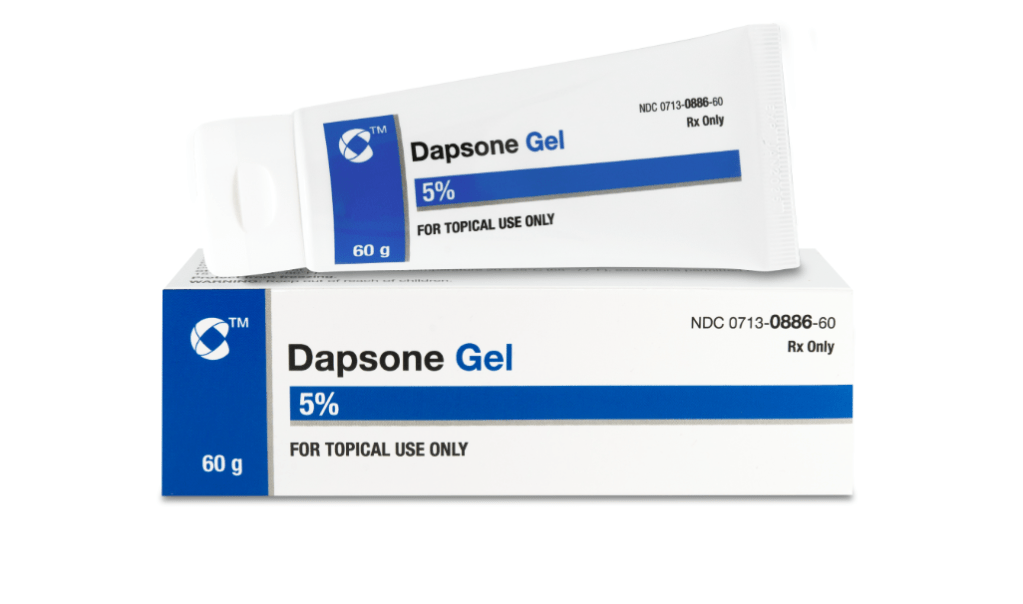
Dapsone 5% is an anti-inflammatory treatment that works differently from most acne medications.
Instead of increasing cell turnover (like retinoids) or killing bacteria directly (like benzoyl peroxide), dapsone targets the inflammatory response in the skin. It inhibits neutrophil activity. These are immune cells that contribute to redness, swelling, and the formation of inflamed acne lesions.
That’s why it’s particularly effective for:
- Inflammatory acne
- Hormonal breakouts
It reduces the redness and tenderness of active breakouts without significantly disrupting the skin barrier.
I use this in the morning, and I started seeing improvements within the first two weeks, specifically less inflammation and fewer new irritated lesions forming.
A quick but important note: both dapsone 5% and tazarotene 0.1% require a prescription. If you don’t have easy access to a dermatologist, services like nurx.com can be a practical alternative, typically offering consultations and prescriptions for a reasonable one-time fee.
This is a targeted treatment. It doesn’t do everything, but it addresses inflammation at the source.
Dermalogica Special Cleansing Gel
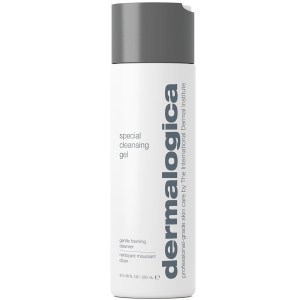
I use this because it cleans my skin without disrupting my barrier, especially while using actives like tazarotene and dapsone.
It’s a soap-free, gentle foaming cleanser that:
- Removes dirt and oil effectively
- Doesn’t leave my skin tight or irritated
Balance matters. A harsh cleanser can trigger irritation and more breakouts and this cleanser keeps my skin stable so my treatments can actually work. I’m not exactly thrilled at the price point, but I’m very much the type to spend on food and “luxury” skincare than a designer purse. Plus, my skin thrives using their formula. Otherwise, I’d use the nearly perfect alternatives below.
Very Close Alternatives
- CeraVe Hydrating Cleanser
- La Roche-Posay Toleriane Hydrating Gentle Cleanser
- Vanicream Gentle Facial Cleanser
All do the same job (i.e., clean without stripping).
Centella Ampoule
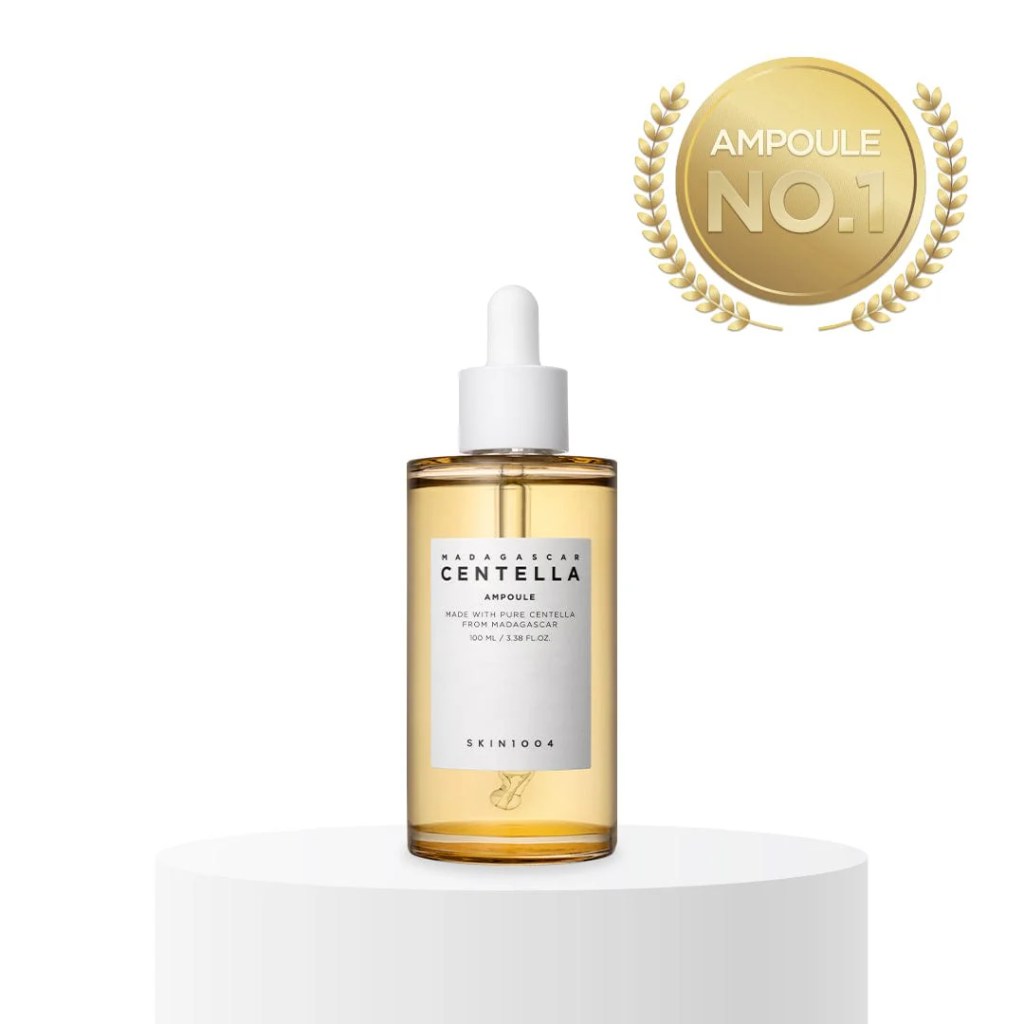
If your skin ever feels irritated, inflamed, or reactive. This is where centella shines.
I use a centella ampoule to calm redness and irritation, especially after makeup removal or on days I may have over-cleansed. It’s incredibly lightweight and has never caused breakouts for me, which matters when your skin is already sensitive.
Centella works by:
- Calming redness
- Supporting healing
- Reinforcing the skin barrier
I first came across this ampoule in Tokyo, where it’s well-liked and sometimes hard to find for a reason. Now, I usually pick mine up at Costco, where they often have a near two-for-one deal, which makes it even more worth it.
Vanicream Facial Moisturizer
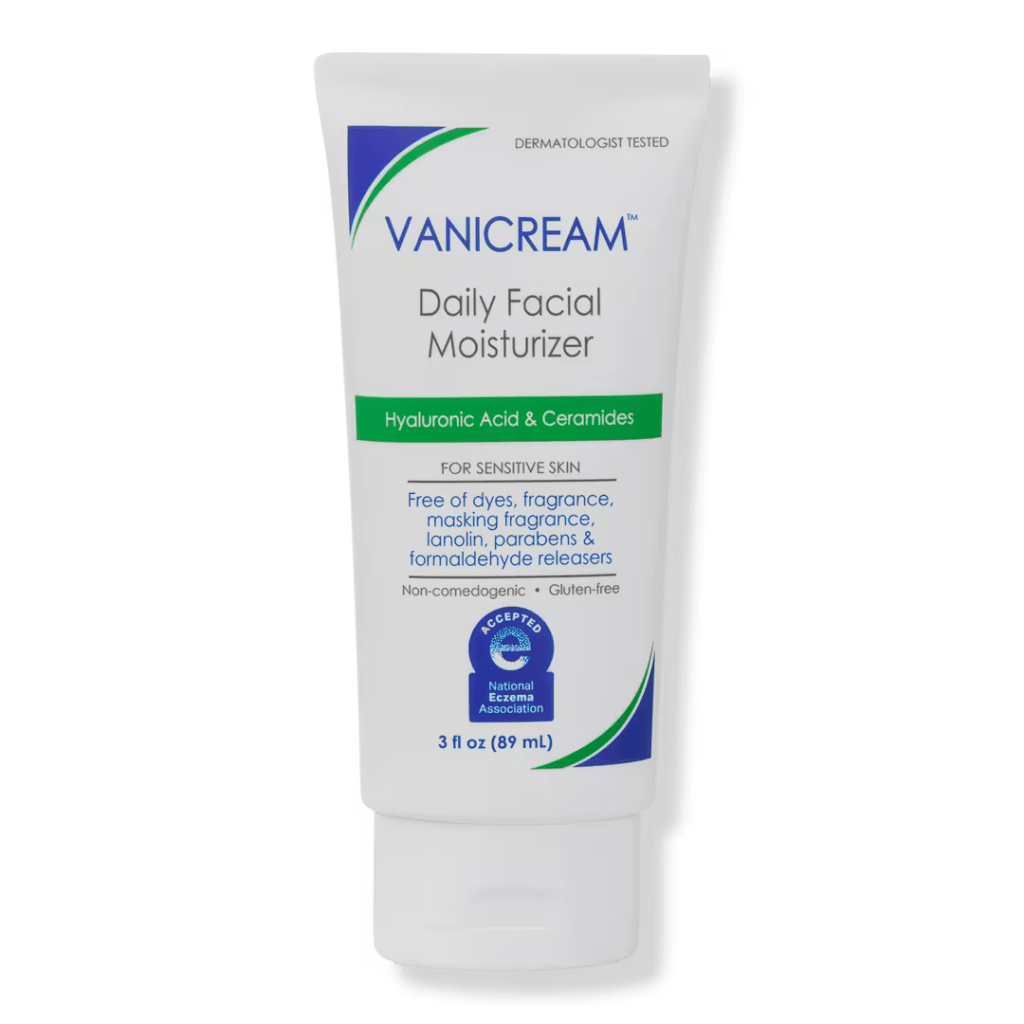
Simple. Reliable. Effective.
No fragrance. No unnecessary extras. And most importantly: doesn’t break my sensitive skin out.
I buy these in bulk after having tried so many moisturizers. Plus, the price point is just right.
Sun Protection (The Non-Negotiable)
EDTA MD SPF + Reapplication
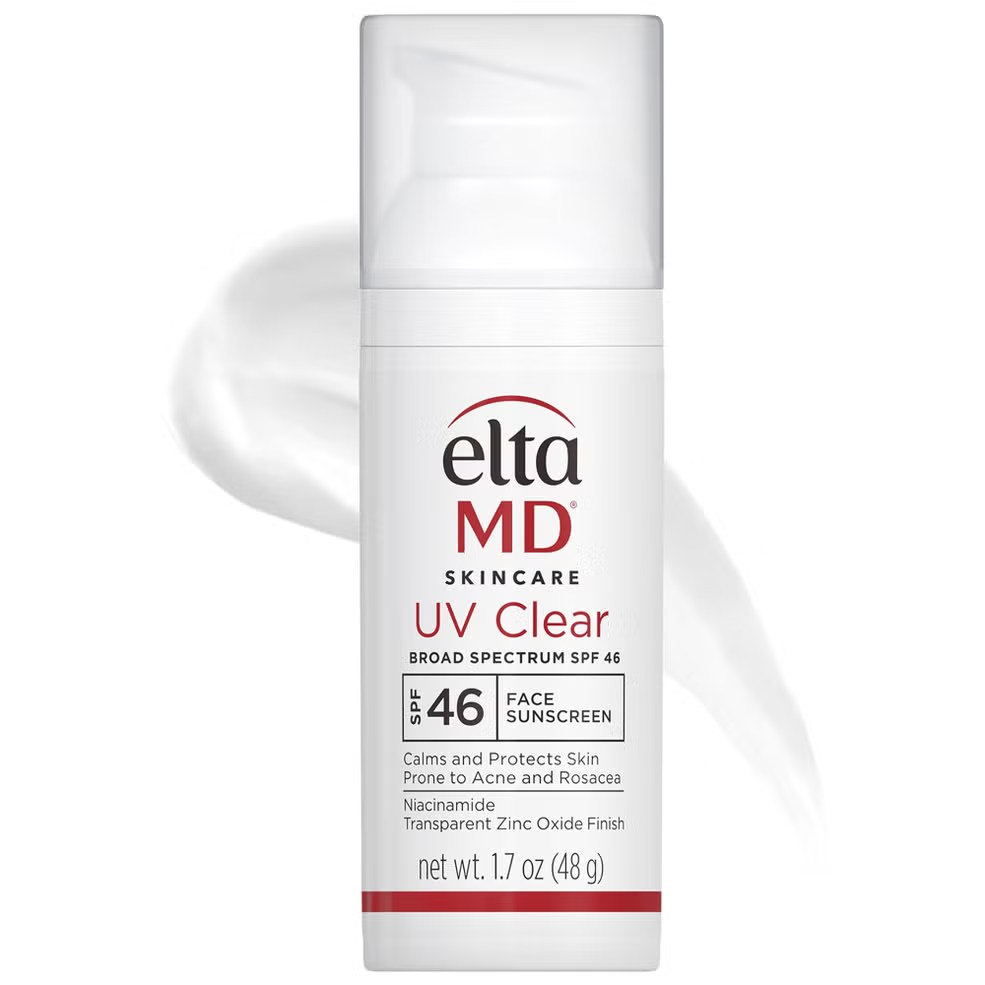
SPF is not optional if you care about hyperpigmentation, premature aging, and overall skin health.
I’ve tried a ridiculous number of “sensitive skin-friendly” SPFs, and the only ones that consistently work for me are Supergoop! Unseen Sunscreen SPF 40 and Elta MD SPF 46.
Elta MD has never broken me out. It goes on like a lightweight moisturizer with zero white cast. It’s one of those products I hesitate to repurchase because of the price, but I always do.
The biggest shift came when my dermatologist told me to reapply every two hours. So now:
- At home, I reapply Elta MD 46 SPF every few hours at least
- When I’m out or wearing makeup, I use Supergoop! (Re)setting 100% Mineral Powder SPF 35
If you’re using tazarotene, this step is critical. These treatments increase cell turnover and make your skin more sensitive to the sun, so you have to protect your progress.
Also, a quick clarification: higher SPF numbers aren’t meaningfully better. SPF 30 blocks about 97% of UVB rays, SPF 50 blocks about 98%, and anything beyond that offers minimal additional protection. The difference is marginal. What matters more is applying enough and reapplying consistently.
And for those of us with extra melanin, this still applies. This isn’t about not getting darker. It’s about preventing skin cancer and long-term damage.
If the sun is out, your SPF should be on (including your body).
The Underrated Tools
Garnier Micellar Water
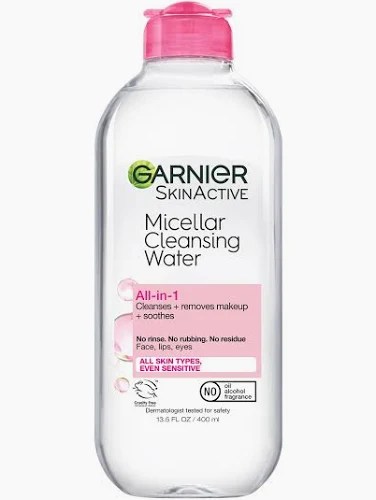
Micellar water is a daily part of my routine, especially at the end of the day.
- Removes makeup and dirt gently
- Doesn’t strip your skin
I learned the hard way that oil on my skin is a no-go. I tried the oil + gel cleanser double cleansing trend, and my skin hated it. What actually works for me is a version of double cleansing that’s better suited for sensitive skin.
At night, especially if I’ve worn makeup, I use cotton rounds with micellar water to break down makeup and grime first. This helps clear my pores before I go in with my gentle cleanser.
I used to think my skin wasn’t clean unless it felt tight. Now I know the opposite is true. Moisture is gold.
Garnier micellar water does most of the heavy lifting. I even go back in after washing my face to make sure things like mascara are fully removed.
It’s simple, consistent, and effective.
Electric Facial Shaver
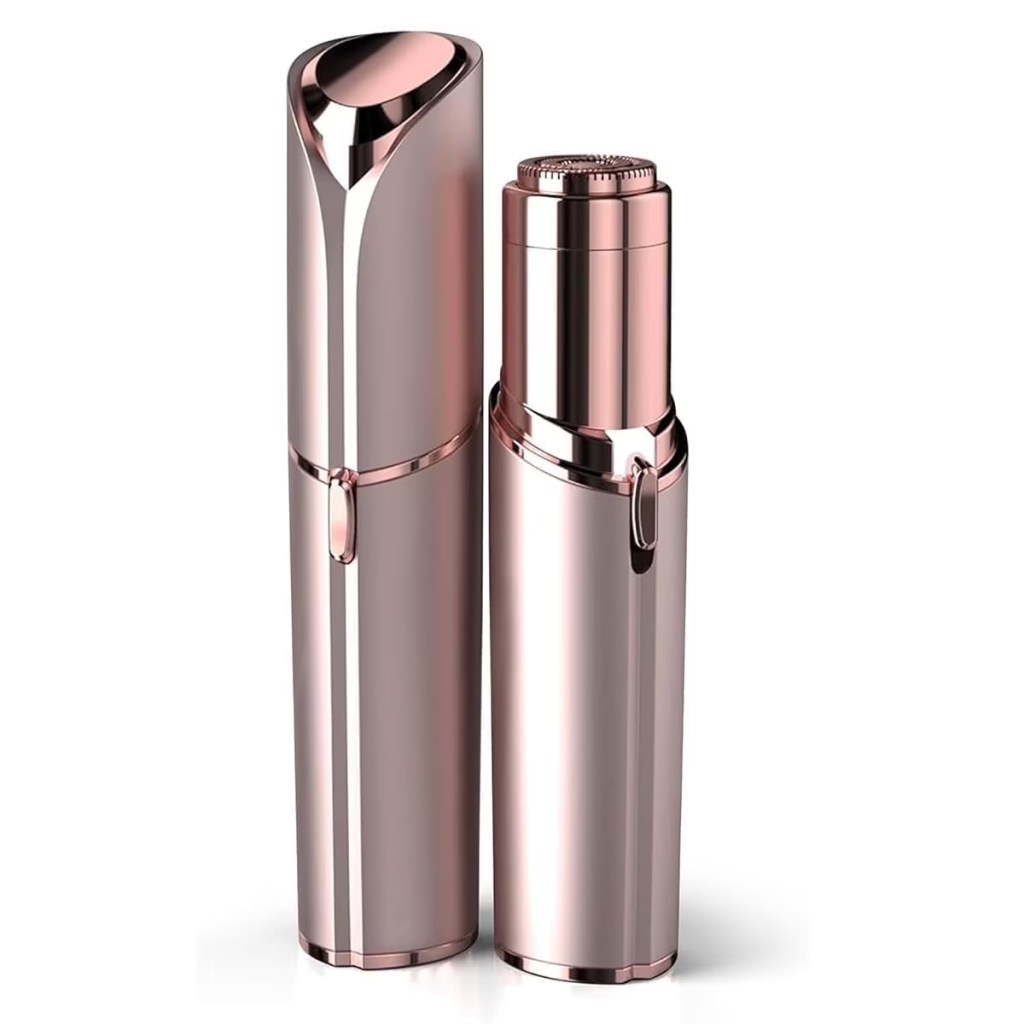
This electric shaver is a game changer for:
- Removing peach fuzz
- Smoothing makeup application
- Giving skin a more refined appearance
Low effort, high payoff.
If you’re using tazarotene, there’s one thing you absolutely cannot do: wax your face.
I made that mistake in my twenties, and it was horrifying. I literally ripped off a layer of my skin and had to walk around like that for a few days. Because tazarotene accelerates cell turnover, your skin is more fragile at the surface. The silver lining is that I healed in about 10 days, but you do not want to experience that.
Instead, I use an electric facial shaver. It gives you the same benefits without damaging your skin barrier.
I’ve bought a few of them and keep one in my purse, one at home, and extras for travel. It’s one of those tools that’s simple, but makes a noticeable difference. Plus, it keeps you from making a very avoidable mistake.
Volufiline (Under Eyes)
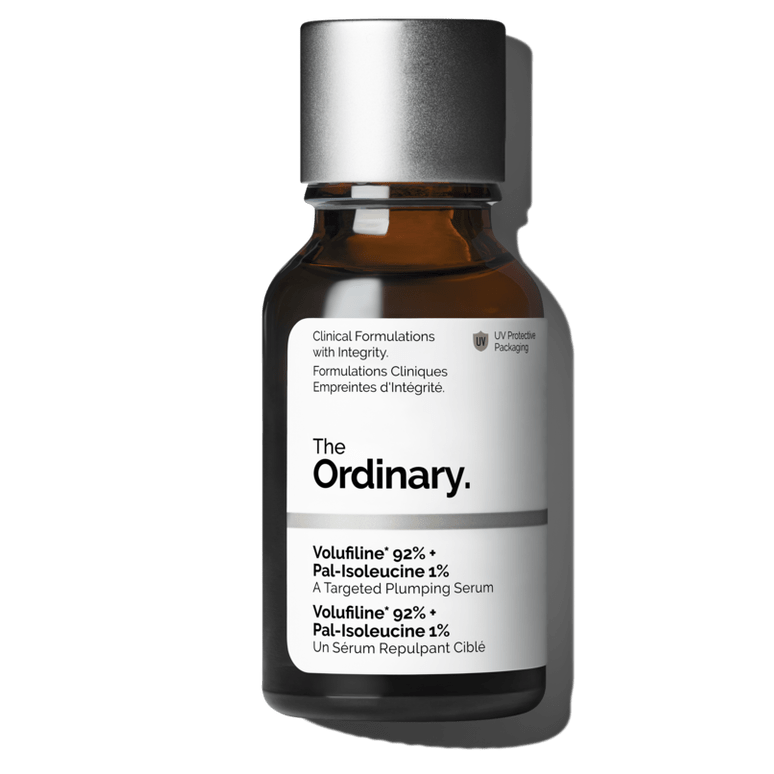
Listen, I work long days and stare at multiple screens all day. Plus I tend to be most productive in the evening, so most days, I’m getting to bed fairly late. That shows up under your eyes.
As we age, we naturally lose volume in the face, including under the eyes. Genetics play a role on both ends—some people are more prone to hollowness than others, but if you’re not the type to go under the knife, this is a helpful option.
Volufiline is like magic in a bottle. The results aren’t permanent, but with consistent use, any hollowness will noticeably improve. I used to use SUNGBOON EDITOR Deep Collagen Serum | 5% Volufiline, but my aunt introduced me to The Ordinary’s Volufiline 92% and I absolutely love it.
It works by:
- Helping create the appearance of fullness under the eyes
- Softening that hollowed look over time
A quick reality check: most products that claim to “add collagen” topically are misleading. Collagen molecules are generally too large to penetrate the skin barrier, so they mostly sit on the surface and act as moisturizers rather than rebuilding collagen in your skin (Art of Dermatology | New York).
That said, there are exceptions:
- Hydrolyzed collagen (broken into smaller peptides) may penetrate slightly, but there’s limited evidence it actually rebuilds collagen in the skin
- Procedures (like microneedling, lasers, or injectables) and ingredients like retinoids are what actually stimulate your skin to produce its own collagen
This is different. It doesn’t promise everything. It just improves what’s there, which makes it a useful addition to your skincare routine if under-eye volume is a concern.
Red Light Therapy
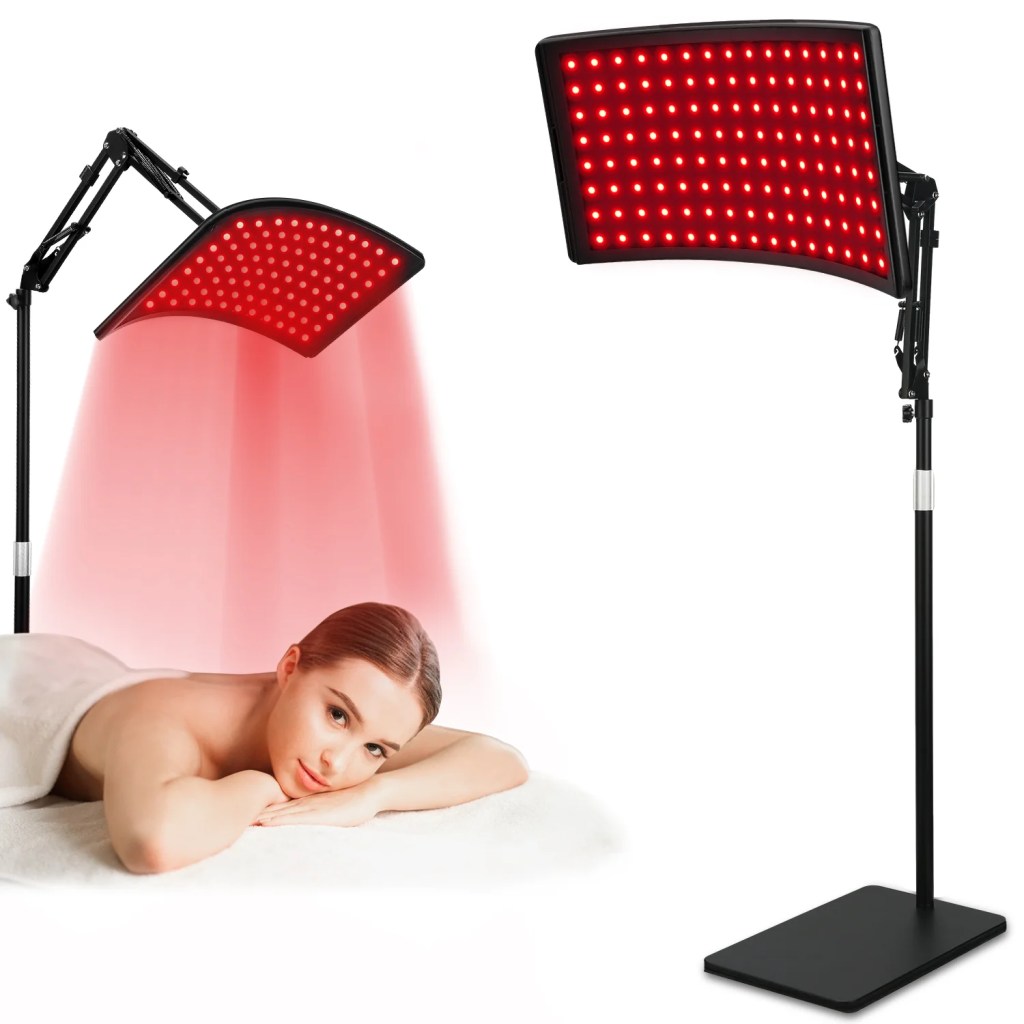
This was actually a Christmas gift I asked for after investing in a red light therapy mask. I wanted something I use that would allow me to throw on a robe, a pair of protective sunglasses, and just lay there for 20 minutes.
I also wanted coverage for my entire upper body to maximize the benefits.
I’m obsessed. I use it every night after my shower, before applying any products. I make sure my skin is completely dry (at least 10 minutes) before going in with tazarotene and the rest of my routine.
The device I use has 660nm red light and 850nm near-infrared light, which is the combination most commonly used for both surface-level skin benefits and deeper tissue penetration. It also uses a multi-LED setup (around 120+ LEDs depending on the model), which allows for broader coverage instead of just treating one small area at a time. ()
With consistent use, it can:
- Support collagen production
- Reduce inflammation
- Improve overall skin quality
- Soften the appearance of fine lines over time
It’s not a quick fix or replacement for more aggressive treatments. Consistency is key here.
Movement That Supports Your Body (and Your Skin)
Walking > Running (Yes, Really)
Walking is one of the most sustainable, underrated forms of movement. Some mornings, I’ll walk into Downtown Detroit before starting work to grab some coffee and a pastry at one of my favorite coffee shops. It’s at least a 3 mile walk there and back and I always feel more positive and ready for the day when I do.
Why it often works better than running:
- Lower cortisol response (less stress on the body)
- Easier to stay consistent long-term
- Supports fat loss without triggering excessive hunger
- Gentler on joints
Running has its place, but for everyday wellness and longevity, walking wins.
ClassPass (or Structured Movement)
I love ClassPass because it removes the biggest barrier to consistency: boredom and lack of structure.
With it, you have access to:
- Yoga (mobility, stress reduction)
- Cycling (cardio, endurance)
- Strength training (muscle, metabolism)
- Boxing and dance (coordination, connection, endurance, strength)
Rotating between these matters. Different forms of movement:
- Target different muscle groups
- Improve overall conditioning
- Reduce injury risk
It also adds accountability. Not sure about you, but I’m more likely to show up when I’ve booked a class.
The Basics That People Skip (But Matter Most)
Drink Water—Consistently
Not all at once. Not just when you remember: throughout the day.
Just as a reminder, hydration supports:
- Skin elasticity
- Overall function
- Energy levels
It’s foundational and don’t forget those electrolytes. I love Aldi’s zero sugar white mango powder mix (38 U.S. states).
Final Thought
I know what it looks like to keep buying the next product, hoping this will be the one—watching the bottles pile up while your skin stays the same or gets worse. That cycle costs more than money. It wears on your time, your energy, and your confidence.
This is for anyone in their 30s and above who’s tired of that.
What actually moves the needle is simpler: a few proven treatments, daily SPF, supportive skincare, consistent hydration, sustainable movement, and guidance from someone who knows what they’re doing. Stick with that, and your results will start to reflect it.
Layer by layer.
 Lence in Layers