
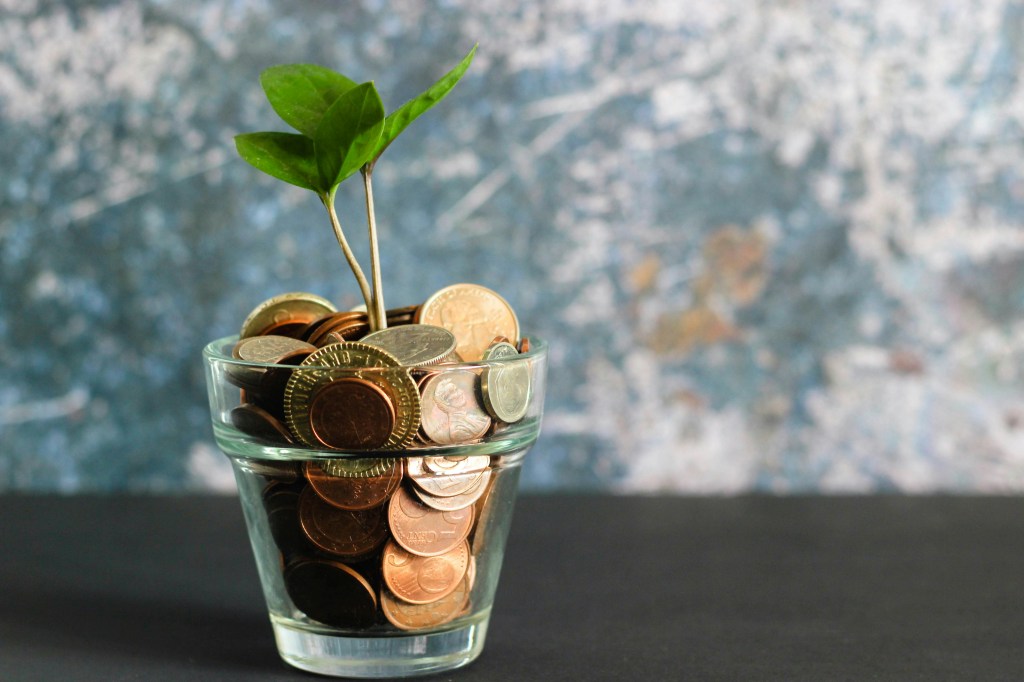
Money used to feel like this big, overwhelming thing I’d never quite figure out. I thought I needed to be a financial expert to get it right. What I’ve learned is that it’s not about mastering everything, it’s about finding the right tools and wisdom that make money less intimidating and more empowering.
Honestly, in a time when the U.S. feels unpredictable (i.e., politically, socially, and economically), it’s more important than ever to be prepared for anything. Having systems for saving, investing, and making smarter financial choices can give you peace of mind no matter what’s happening in the world around me.
Here are the resources that shifted the way I save, invest, and build wealth with minimal effort, which in my case, is key.
5 Books That Changed the Way I See Money
1. Get Good with Money by Tiffany Aliche
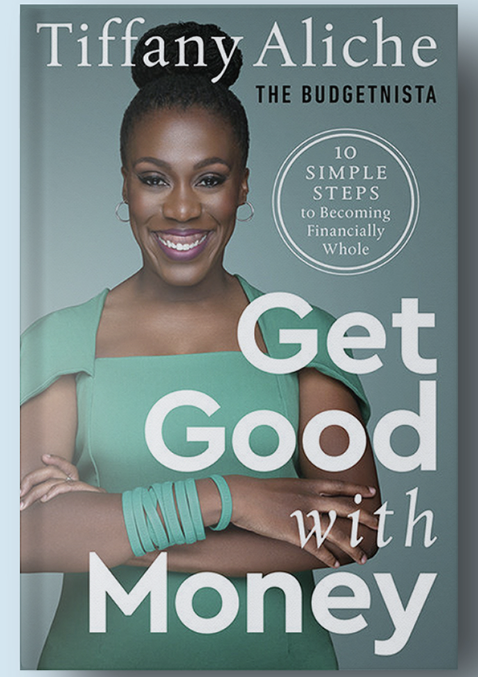
Tiffany, aka “The Budgetnista,”brings such warmth and practicality that finance stops feeling intimidating. Her ten-step “Financial Wholeness” framework includes automating your income using her “Split It Before You Get It” method, so your budget works for you, not against you. Her approach blends emotional resilience with system-building, making it perfect for staying financially steady, even when everything else around you feels unpredictable.
2. The Psychology of Money by Morgan Housel
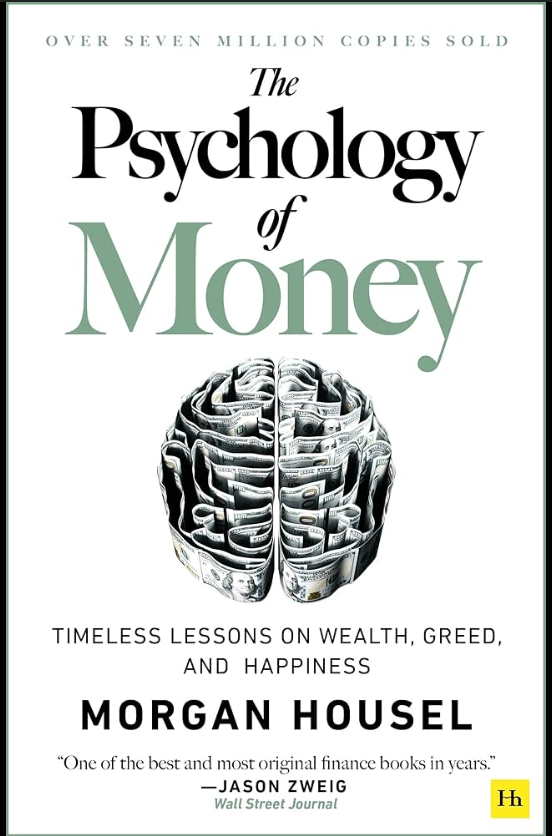
This one changed my perspective on financial behavior. It reminded me that staying steady when markets (and the world) feel shaky is just as important as knowing the numbers. Emotional resilience is financial resilience.
3. I Will Teach You To Be Rich by Ramit Sethi
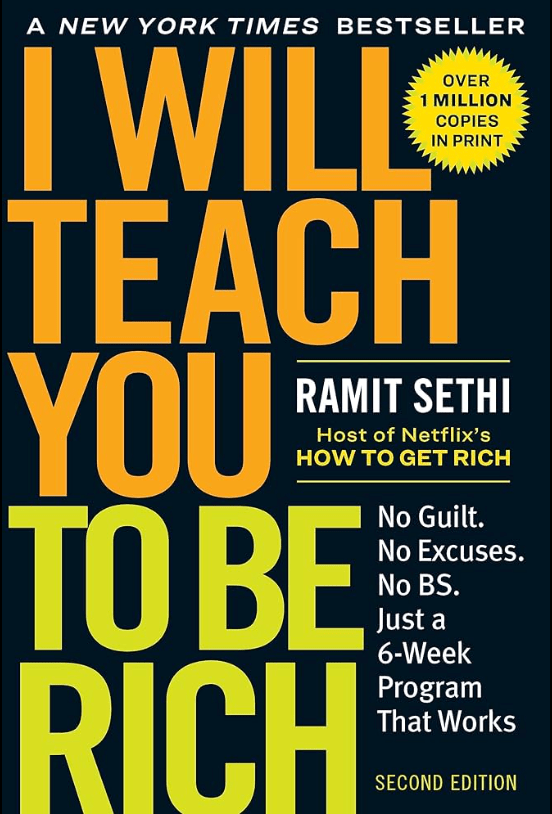
Practical, straightforward, and surprisingly fun to read. Ramit’s approach is about systems that run in the background. It’s perfect for when life feels uncertain and you want your money and instincts on autopilot.
4. Your Money or Your Life by Vicki Robin
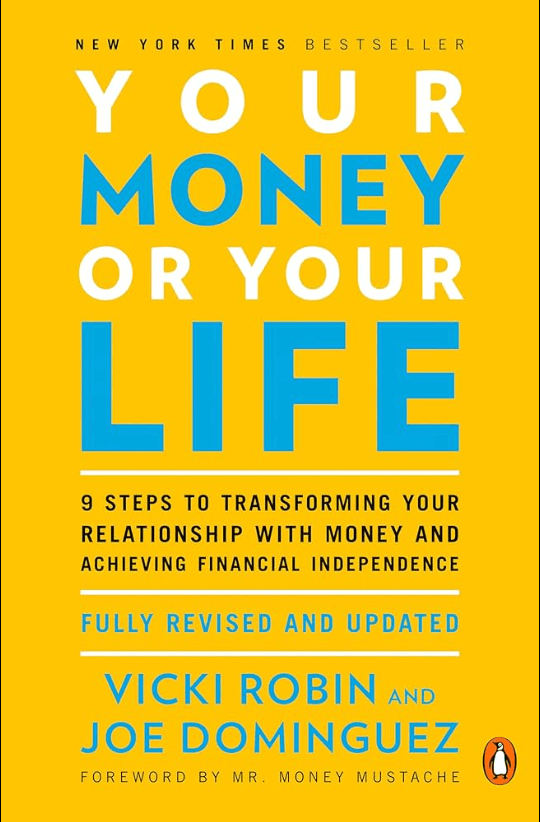
This book reframed how I measure value. Every dollar I spend equals a piece of my life energy. In uncertain times, that lens keeps me grounded and helps me decide what’s truly worth it. Before you click purchase or lean on that Afterpay or Klarna button, pause for a few days. Sometimes, I forget about things I wanted/needed so badly and it lets me know that I’m just impulse buying.
5. The Millionaire Next Door by Thomas J. Stanley and William D. Danko
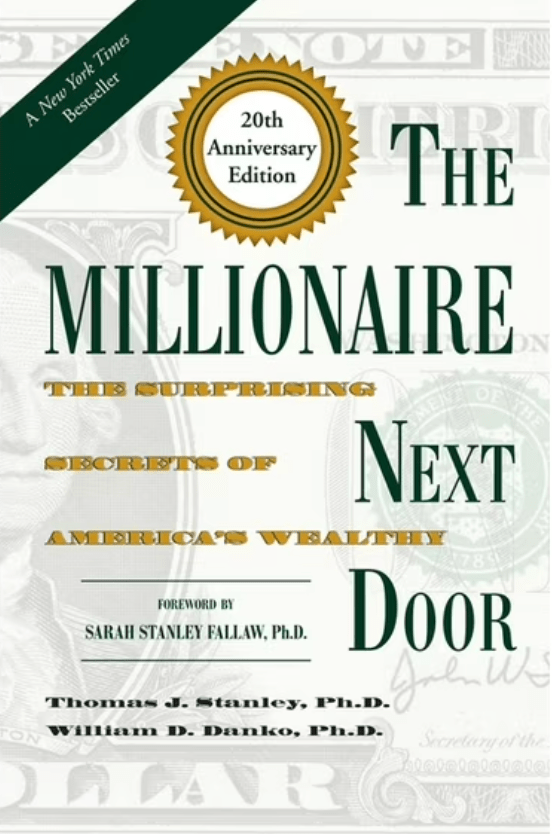
Most millionaires aren’t flashy. They quietly build wealth by living below their means, saving diligently, and investing consistently. Instead of a lack mindset, they focus on long-term freedom and the options that come from financial discipline.
5 Resources That Help Me Save and Invest Without Stress
1. Acorns
Acorns rounds up my everyday purchases and invests the spare change. In unstable times, it’s reassuring to know my money is growing in the background, even if it’s just a little at a time. You will look up several months later and gasp at how much you saved without even trying.

2. YNAB (You Need A Budget)
This app is a game-changer. YNAB isn’t just about tracking, it’s about telling your money where to go before you spend it. That level of control is a lifesaver when you’re preparing for anything from rising costs to unexpected bills.

3. Fidelity Investments
Fidelity gives me access to retirement accounts, index funds, and tools that help me think long-term. Even when the short-term feels shaky, I know my bigger financial picture is being taken care of.

4. Morning Brew (Newsletter & App)
Staying informed doesn’t have to mean doom-scrolling. Morning Brew keeps me updated on markets and money in a way that’s quick, smart, and digestible. It’s perfect for navigating uncertain times without feeling overwhelmed.

5. Mint
Mint links to my accounts and categorizes spending automatically. When the economy feels uncertain, seeing the big picture helps me tighten up in some areas and free up money for savings or investing.
Bonus: How I Travel for Free with “Credit Card Hacking”
One of the best money “hacks” I’ve picked up is turning my everyday bills into free flights. I use the Delta Reserve credit card for every major expense I can (i.e., utilities, phone bills, insurance, even large one-time purchases) then I immediately pay off the balance.
Here’s why it works:
- I’m earning SkyMiles and Medallion Qualification Miles on purchases I’d already make.
- By funneling larger bills through the card, those miles rack up quickly.
- Because everything is set to auto-pay from my checking account, I never carry a balance or pay interest.
Another major perk? Access to Delta Sky Clubs. These lounges make travel smoother and more enjoyable: think free food and drinks, Wi-Fi, comfortable seating, clean bathrooms/showers, and a quiet space to work or recharge between flights. It completely changes the airport experience.
Beyond the lounges, premium cards like the Delta Reserve also offer a complimentary annual round-trip domestic companion ticket, priority boarding, free checked bags, companion certificates, and elite status boosts. These extras save real money over time, especially if you fly regularly. It does have an annual fee ($650), but I’ve run the numbers and after flying to Tokyo and Iceland (Premium) for free, it’s more than worth it for just those trips alone.
Of course, this only works if you’re fiscally responsible. If you carry a balance, spend beyond your means, or treat the card like free money, the interest and fees will erase all the rewards and tank your credit.
The key is simple: only spend on things you’d buy anyway, and always pay it off in full. Done right, credit card hacking can turn bills into boarding passes, elevate your travel experiences, and help you stay flexible no matter what’s happening in the U.S.
Ultimately though, do what works best for you!
Final Thoughts
My relationship with money changed once I realized two things:
- I didn’t need to know everything. I just needed a system.
- The best systems are the ones that work quietly in the background while I live my life.
These 5 books reshaped how I think, and these 5 resources made the process actionable. Add in a little credit card hacking, and money has gone from a source of stress to a tool for financial freedom. After all, at the end of the day, the most powerful part of money is how it prepares you for anything, especially in unpredictable times.
Question for you: What’s one book, app, or hack that’s changed how you view money?
 Lence in Layers