
Learning a new language is exciting, but it can also feel overwhelming. Between grammar rules, pronunciation, and actually having the courage to speak, many people wonder: What’s the fastest way to get from “I know a few words” to “I can actually hold a conversation”?
For me, the journey started early. I began learning French in kindergarten through 5th grade at a Foreign Language Immersion and Cultural Studies school in Detroit, Michigan. Years later, I moved to Seoul, South Korea, where I taught English to 4th–6th graders and got my first real crash course in language immersion. Since then, I’ve added Japanese and now Mandarin to my studies.
The truth is, there’s no single “magic app,” but there are tried-and-true resources that speed up the process when combined the right way. Here are some of the best tools and approaches to learn a new language quickly, along with insights from my own experience.
1. Apps for Everyday Practice
Language apps are perfect for building a habit and reinforcing basics.
- Duolingo, LingQ, or Busuu: Great for vocabulary, grammar patterns, and gamified practice.
- HelloTalk or Tandem: Social apps where you can chat with native speakers for free.
- Anki or Quizlet: Spaced-repetition flashcards to lock vocab into long-term memory.
These apps work best with daily use, but think of them as your foundation, not the finish line.
2. Immersion Through Media
Immersion is where language really starts to come alive. I first began picking up Japanese through anime—repeating phrases and words that stood out to me. Despite not understanding every sentence initially, mimicking the rhythm and intonation helped me develop an active vocabulary.
You don’t need to live abroad to build immersion. You can mimic that same environment at home through:
- Podcasts such as Coffee Break French, Talk to Me in Korean, or Let’s Learn Japanese.
- TV, films, or YouTube with subtitles—start with your native language, then switch to target-language subtitles when you’re ready.
- Music—look up the lyrics and sing along to absorb tone and pronunciation.
This kind of input helps you move from recognizing words to understanding the natural rhythm of conversations.
3. Books and Reading Tools
Reading strengthens vocabulary and comprehension, especially if speaking feels harder.
- Graded Readers: Simplified books designed for language learners.
- Bilingual Books: Text in both your native language and the target language side by side.
- Browser Extensions: Tools like Language Reactor for Netflix or LingQ for articles and ebooks.
Since I’ve always understood French better in writing than speaking, reading has been my strongest bridge skill. Using the same strategy for Japanese, Korean, and now Mandarin helps transform comprehension into confidence.
4. Conversational Practice
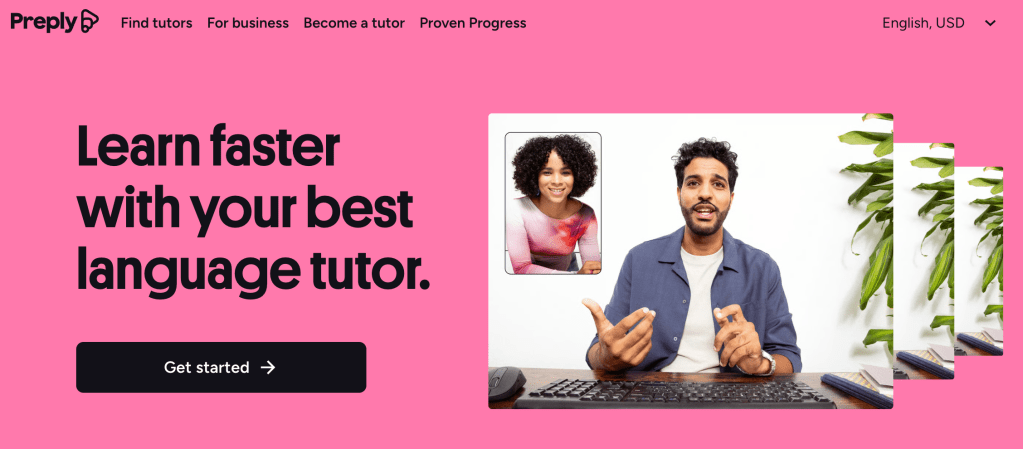
You won’t unlock fluency until you start speaking, mistakes and all.
- iTalki or Preply: Affordable one-on-one tutoring with native speakers.
- Meetup groups or local language exchanges.
- Language buddies: Trade skills by teaching English while practicing another language.
Speaking forces recall and builds confidence. You’ll never feel perfectly ready, but starting is the only way to grow.
5. Structured Courses for Faster Progress

When you want a roadmap, structured lessons provide order.
- Talk to Me in Korean: Progressive lessons with audio and video.
- JapanesePod101: Audio lessons for all levels.
- Alliance Française: High-quality French classes both online and in-person.
Courses give you a backbone, while immersion and speaking fill in the gaps.
A Quick Strategy for Acceleration
If you want to speed things up, here’s a balanced framework:
- Daily app practice (10–15 minutes).
- Daily immersion (at least 30 minutes of listening or watching content).
- Weekly speaking practice (one tutoring session and one informal chat).
- Monthly goal (read a short book or article and summarize it aloud or in writing).
Final Thoughts
Learning a new language doesn’t have to take years. With the right mix of apps, immersion, reading, and speaking, you can progress faster than you think.
For me, repeating Japanese phrases from anime was the spark. French showed me how important consistency is, while Korean helped me practice structure. Now, I’m getting back into my language immersion journey and have started learning Mandarin. What I’ve learned is simple: fluency comes from steady practice, conversation, and not being afraid of mistakes.
Every “awkward” sentence is still a step closer to engaging with confidence in any foreign language. Carpe diem and happy learning!
 Lence in Layers