
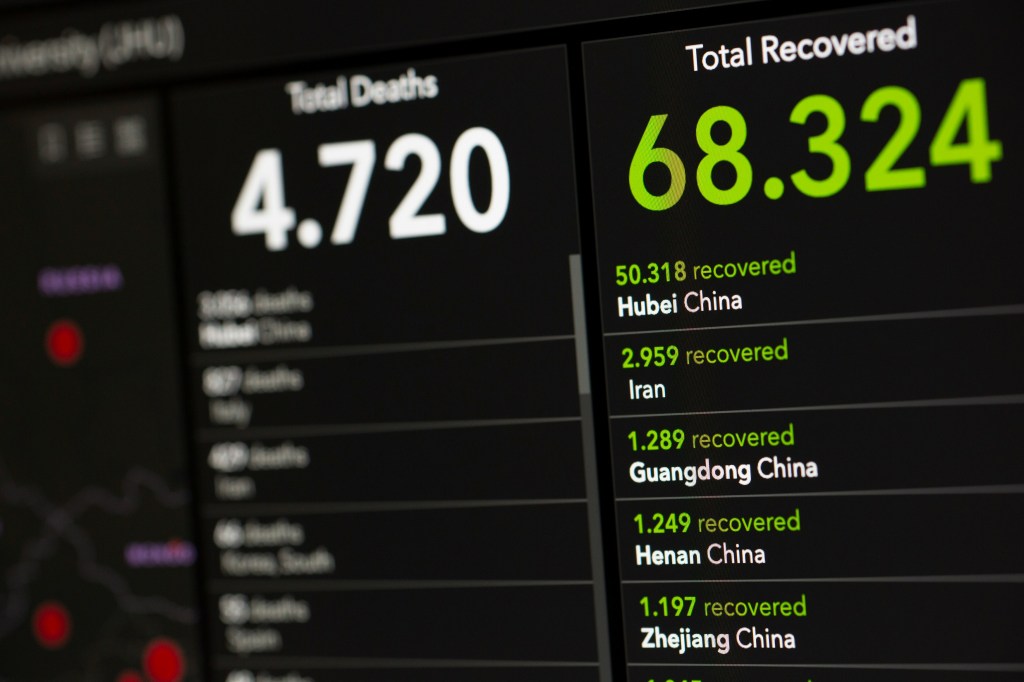
When people hear the word epidemiologist, they either think of someone in a hazmat suit tracking a deadly virus… or they draw a blank.
To be fair, infectious disease is one part of it—but that’s not the full story. Epidemiology is so much more than pandemic response. It’s about patterns. People. Prevention. It’s the science of understanding who gets sick, why, and what we can do about it. And in my case, it’s also about substance use, behavioral health, and crisis response.
What My Work Actually Looks Like
I work remotely (with my dog nearby) analyzing behavioral health trends and building systems to help crisis centers work more effectively. Some days, I’m neck-deep in spreadsheets. Others, I’m preparing for a stakeholder presentation or traveling to share insights at state-level meetings. I’ve given presentations on overdose trends, helped design dashboards for leadership, and sat in on debriefs with everyone from outreach workers to agency directors.
A typical day might include:
- Reviewing emergency department data to identify spikes in overdoses
- Updating a Power BI dashboard for a behavioral health crisis center
- Consulting with staff to improve data workflows
- Drafting a report for the Department of Health
- Giving a virtual presentation on emerging drug trends
- Or catching a flight to present in person at a statewide mental health council meeting
No two days are exactly the same—which is perfect for someone like me who thrives on curiosity and clarity.
Behind the Scenes: Surveillance & Substance Use Trends
One of the biggest parts of my role is syndromic surveillance. That’s just a fancy way of saying I track health data—like ER visits, urgent care trends, and coded symptoms—to identify patterns that might point to something bigger.
For example, if multiple hospitals report patients showing up agitated or overdosing with similar symptoms, I dig into the data. Is there a new synthetic drug circulating? A bad batch of fentanyl? A rise in stimulant use? We don’t just guess—we follow the patterns to figure out what’s really going on.
I analyze both inpatient and outpatient discharge data to monitor things like:
- Increases in nonfatal overdoses
- Shifts in drug type (e.g., opioids vs. stimulants)
- Trends in specific communities or zip codes
- Demographic shifts (e.g., age, gender, or race patterns)
That information gets shared with public health teams, outreach groups, and crisis centers to help them respond faster and more effectively.
Building Better Systems for Crisis Care
Another major part of my job is developing and managing crisis center data systems. I help design what data is collected, make sure it’s accurate and usable, and turn it into insights that improve care.
We ask questions like:
- Are people getting connected to the right services?
- Are some referrals being delayed or denied?
- What’s the average length of stay?
- How many individuals were diverted from emergency departments and stabilized at the crisis center instead?
The goal is simple: to turn data into action—staffing adjustments, outreach priorities, funding justification, or even policy changes.
Turning Data Into Action
All the data in the world means nothing if no one knows how to use it. That’s why a huge part of my role is translation. I turn complex data into:
- Dashboards
- Executive summaries & reports
- Briefings
- Presentations
Sometimes I’m on Teams with leadership. Sometimes I’m standing in front of a room walking folks through trends in real time. Either way, the goal is always the same: help people understand the story the data is telling—so they can do something with it.
Why It Matters
You might not see epidemiologists on the front lines, but we’re in the background connecting dots that lead to life-saving interventions. We’re not just analyzing numbers—we’re protecting people.
Whether we’re tracking chronic disease, overdose trends, or behavioral health gaps, our job is to uncover the “why” so others can focus on the “how.”
And in today’s world? We need data detectives as much as we need doctors.
Curious how to break into this kind of work?
Check out my post: “How to Break Into Data Analysis: Real Pathways from Entry to Expert“
 Lence in Layers
One response to “What Do Epidemiologists Do? A Look Inside the Profession — And My Work in It”
[…] isn’t paranoia. It’s pattern recognition. And if you knew what I do for work, you’d know is like a superpower. Useful, but […]
LikeLike