
Traditional Chinese Medicine (TCM) is one of the oldest healing systems in the world, but what makes it relevant today is not mythology or mysticism. It is the way TCM views the body as a living ecosystem where imbalance has patterns and symptoms have stories. Instead of asking “What pill fixes this,” TCM asks, “What is this symptom trying to tell you?”
From acne to digestion to emotional stress, TCM offers practical insights that feel surprisingly modern. Its diagnostic tools, especially tongue analysis, give a real-time look at your internal health in ways that many people find eye opening.
Below are the most helpful and interesting lessons from TCM that you can use every day, along with what different tongue patterns mean and how to support each one. A short recommended reading list is included at the end for deeper exploration.
Disclaimer: The information in this article is for educational purposes only and is not intended to diagnose, treat, or replace professional medical care. Always consult a licensed healthcare provider for concerns about your health or before beginning any new wellness practice.
The Body as a Connected Ecosystem
One of the foundational ideas in TCM is that the body is an interconnected system rather than separate organs. Your digestion affects your skin. Your stress affects your breathing. Your sleep affects your hormones. When one system becomes overworked or stagnant, another area tries to compensate.
This is why a TCM practitioner may ask about your emotional stress when you come in for bloating, or ask about sleep when you mention hormonal acne. The goal is to find the deeper imbalance that is creating the pattern.
Qi and Flow
Qi refers to the body’s vital energy or life force. Whether you think of it metaphorically or physiologically, the principle remains the same: health requires movement. Stagnation from sitting all day, shallow breathing, and chronic stress disrupts flow and contributes to tension, inflammation, and digestive issues.
Simple habits help restore balance:
- Gentle movement after meals
- Deep belly breathing
- Stretching the neck and low back
- Acupressure sessions for relaxation
These small actions support improved circulation, improved digestion, and calmer nerves.
Helpful Acupressure Points for Daily Ailments
You do not need needles or training to benefit from TCM points.
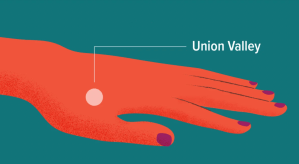
For headaches (LI4)
Press the web between the thumb and index finger to help release tension.
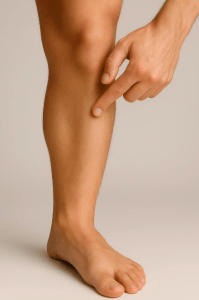
For digestion (ST36)
Massage the point four finger widths below the knee for better digestion and reduced bloating.
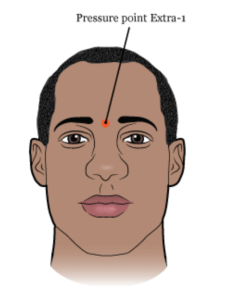
For anxiety (Yintang)
Light pressure between the eyebrows can calm racing thoughts and help regulate breathing.
These techniques complement, not replace, professional care and offer gentle support for everyday discomfort.
Acne Through a TCM Lens
TCM does not view acne as a surface level problem. Instead it is seen as a reflection of internal imbalance. Different acne patterns point to different internal causes.
Heat in the Lung system
Often appears as inflamed breakouts on the forehead, cheeks, or around the nose.
Support with cooling foods like cucumber, pears, mint, and increased hydration.
Dampness in the Spleen system
Shows up as cystic acne on the cheeks or lower face.
Support with warm meals, ginger tea, reduced sugar and dairy, and lighter nighttime eating.
Liver Qi stagnation
Common in hormonal or stress triggered jawline acne.
Support with movement, earlier sleep, leafy greens, and emotional regulation practices.
This internal approach helps explain why breakouts often follow predictable patterns.
The Art and Science of Tongue Diagnosis
Tongue analysis is one of the most fascinating parts of TCM. Practitioners examine color, shape, coating, and markings to understand what is happening internally. The tongue acts like a map that reflects your digestive health, stress levels, circulation, and inflammatory patterns.
Below are common tongue presentations and what you can do to support each one.
Pale Tongue
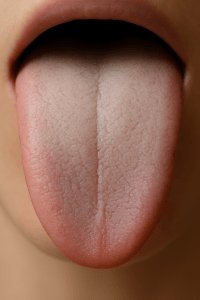
Often linked to low energy, blood deficiency, or weak digestion.
Try:
- Warm, cooked meals
- Iron rich foods like leafy greens and beans
- Avoiding ice and cold drinks
- Light movement to improve circulation
Red Tongue
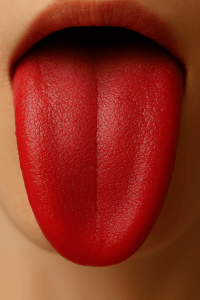
Shows internal heat which can appear as inflammation, irritability, insomnia, or acne.
Try:
- Cooling foods like watermelon, mint, cucumber
- Reducing spicy foods, alcohol, and caffeine
- Stress relieving activities
- Earlier sleep to regulate the Heart and Liver systems
Thick White Coating
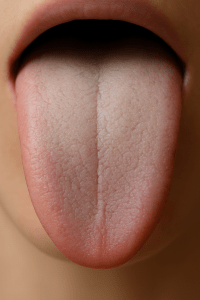
Suggests dampness or a sluggish digestive system.
Try:
- Ginger tea or warm lemon water
- Fewer cold salads and raw foods
- Reduced dairy and sugar
- Smaller, more frequent meals
Yellow Coating
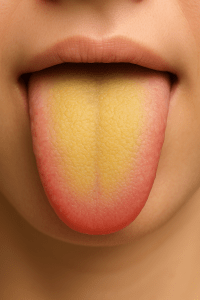
Often indicates digestive heat or inflammation.
Try:
- Peppermint or chrysanthemum tea
- More vegetables, fewer fried foods
- Staying well hydrated
- Supporting gut health with fermented foods
Teeth Marks on the Sides
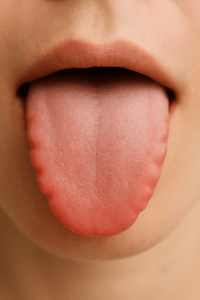
Linked to Spleen deficiency, worry, or fluid retention.
Try:
- Warm breakfast in the morning
- Reduced grazing or excessive snacking
- Core strengthening exercises
- Mindfulness or journaling to ease worry
Everyday Rituals That Support Balance
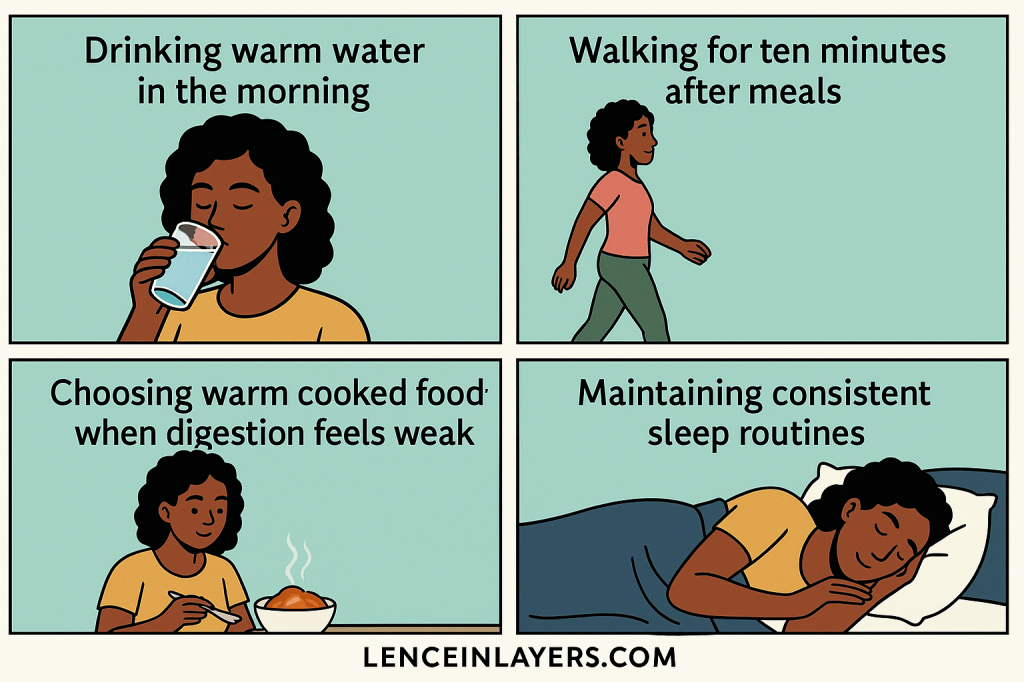
TCM emphasizes simple, consistent habits that help the body return to balance:
- Drinking warm water in the morning
- Walking for ten minutes after meals
- Choosing warm cooked foods when digestion feels weak
- Stretching the upper back and neck
- Maintaining consistent sleep routines
These rituals create a supportive environment for healing rather than forcing the body to work harder.
Recommended Reading in TCM
If you want to explore Traditional Chinese Medicine more deeply, these three books offer clear, accessible guidance:
- Choi, L., & Koutroumanis, B. – Heal Yourself with Traditional Chinese Medicine
Practical and beginner friendly with daily lifestyle applications. - Kaptchuk, T. – The Web That Has No Weaver
A classic introduction to TCM theory and philosophy. - Beinfield, H., & Korngold, E. – Between Heaven and Earth
A readable overview that connects personal patterns with TCM concepts.
Sources
Chen, J., & Chen, T. (2004). Chinese medical herbology and pharmacology. Art of Medicine Press.
Choi, L., & Koutroumanis, B. (2024). Heal yourself with Traditional Chinese Medicine. Ten Speed Press.
Kaptchuk, T. J. (2000). The web that has no weaver: Understanding Chinese medicine. McGraw Hill.
Kim, J., Lee, H., & Kim, H. (2018). Tongue diagnosis in Traditional Chinese Medicine: Modern advances and research trends. Integrative Medicine Research, 7(2), 91–100.
Nitta, E., Hasegawa, T., & Watanabe, K. (2022). Physiologic mechanisms of acupuncture point stimulation. Journal of Integrative Medicine, 20(4), 315–322.
Yuan, Q. L., Li, B., & Sun, F. (2016). Acupressure for pain management. Pain Research and Management, 2016, 1–10.
 Lence in Layers