

The Math of Everyday Decisions
We make probability-based choices all day without realizing it. You check the weather before dressing, estimate how long it’ll take to beat traffic, or choose the shortest grocery line based on how fast each cashier moves. You’re constantly weighing likelihoods and consequences, essentially doing the math of life.
However, when emotions enter the equation, many people throw logic out the window. We romanticize chaos, call unreasonable risk “passion,” and hope that love will overcome probability. Yet, the truth is that emotional intelligence without critical thinking is like driving without a seatbelt or rear view mirrors. You might survive the ride, but you’re courting unnecessary danger.
One of the clearest examples of this plays out in the conversation around relationships, commitment, and children.
Scenario A vs. B: A Matter of Risk and Investment
Let’s take two situations.
Scenario A: No Commitment Required
A man doesn’t have to do much to become a father: just show up for one night. For him, it’s minimal effort and zero long-term cost. For you, the stakes are exponentially higher. You carry the baby, face potential health risks during pregnancy and birth, and spend months recovering while your body changes permanently. You also shoulder the emotional and financial responsibility if things fall apart (side note: this book is a must read. Okay, back to my point)
If he decides to leave, he can. There’s no legal or financial structure compelling him to stay involved beyond child support (if enforced). You bear most of the risk; he bears nearly none. That’s an unbalanced equation from the start.
Scenario B: Commitment Required
Now change the variables. Before having children, he proposes. He saves for a ring, meets your family, helps plan a wedding, builds a home, and stands before witnesses declaring commitment. The process itself demands effort, time, and resources. Those requirements create accountability.
Marriage doesn’t guarantee loyalty or emotional maturity. Plenty of married men still make poor choices, but the investment is higher. People tend to protect what they’ve worked for. And if the relationship ends, there are legal rights, shared assets, and a social distinction between an ex-wife and “baby mama number [enter number here].”
The point isn’t that marriage eliminates risk. It simply shifts the odds in your favor.
Investment Theory and Human Nature
This isn’t about romance, but behavioral patterns. When people invest deeply—time, money, reputation—they tend to value what they’ve built. That’s why most homeowners take better care of their houses than renters. The buy-in changes the mindset.
The same logic applies to relationships. If a man resists investing before reaping benefits, it’s a red flag. It signals that his perceived reward doesn’t outweigh his potential loss. In everyday terms, that means he’s likely to leave when things get challenging and/or inconvenient.
You wouldn’t hand your life savings to someone who refuses to sign a contract. Why hand over your future, your health, or your body under those same conditions?
Black Women, Risk, and Real-World Realities
This isn’t theory. It’s a matter of survival. In the U.S., Black women are still three to four times more likely to die from pregnancy-related complications than white women. That’s not paranoia; that’s a measurable disparity.
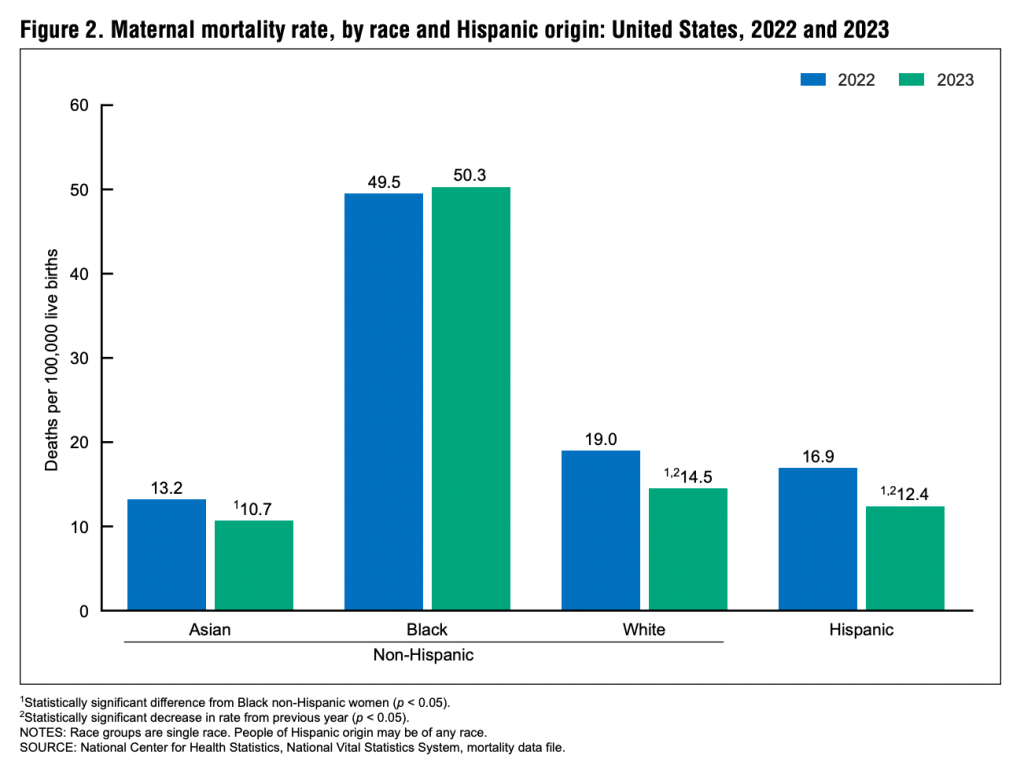
So, when a Black woman says she wants to be married before having children, she’s not only being old-fashioned. She’s making a sound, self-protective decision in a system that has historically undervalued her life. Commitment isn’t about optics; it’s about safeguarding your health, stability, and legacy.
The Bigger Picture
Thinking critically about relationships doesn’t make you cold—it makes you clear. Love is emotional, yes, but building a life requires reason. Every choice comes with probabilities, whether you acknowledge them or not.
Before any major step—moving in, having kids, starting a business—pause and ask yourself:
- What are the potential outcomes?
- Who carries the greater risk?
- What safeguards can I put in place to balance the equation?
That simple reflection can be the difference between living reactively and living intentionally.
Final Thought
Requiring marriage before children isn’t about chasing tradition, but understanding risk. It’s not about cynicism, either. It’s about self-respect and foresight. The numbers shouldn’t necessarily dictate your life, but they offer whispers of truth, if you’re willing to listen. Emotion may lead the heart, but reason keeps it from breaking unnecessarily.
 Lence in Layers