

Staying informed about what your elected officials are doing doesn’t stop at voting every two or four years. Real impact happens when you track bills as they move through Congress, state legislatures, and even local councils. Fortunately, you don’t need to spend hours digging through clunky government websites. Modern tools like FastDemocracy make the process easier than ever.
Why Monitoring Legislation Matters
Bills move quickly. A measure can be introduced, assigned to a committee, and scheduled for a hearing in days. By the time major news outlets pick up the story, the window for public comment may have closed.
Tracking legislation gives you:
- Time to act: submit testimony, email your representative, or rally others.
- Awareness: know how proposals could affect taxes, zoning, healthcare, or rights.
- Accountability: follow how your elected officials actually vote, not just what they say.
Step 1: Start with Congress
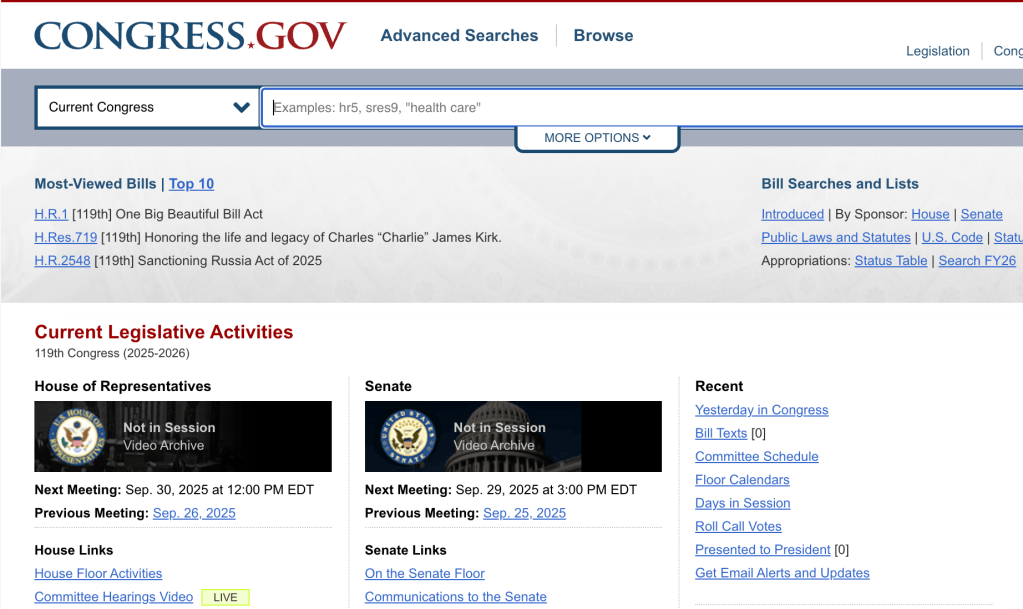
At the federal level, the Library of Congress runs Congress.gov, the official site for all things legislative. You can:
- Search bills by number, keyword, or sponsor.
- See summaries, amendments, and full text.
- Track committee actions and upcoming hearings.
It’s the most authoritative source, but it can feel overwhelming if you don’t know exactly what you’re looking for.
Step 2: Don’t Forget the States
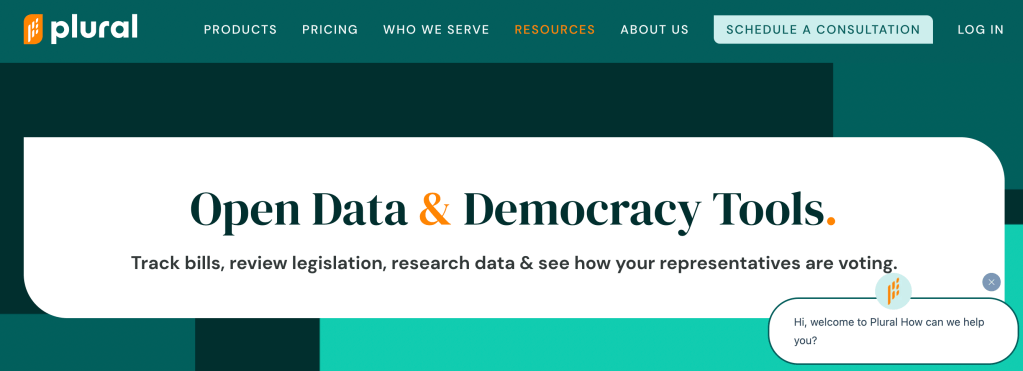
Most policies that directly shape daily life happen in state legislatures. Every state maintains a legislative website, but usability varies. Instead of juggling 50 different portals, check out PluralPolicy— a free platform that pulls together bills, legislators, and votes across all states.
With Pural, you can search by issue, track your state rep, or see what’s trending statewide.
Step 3: Watch Local Government
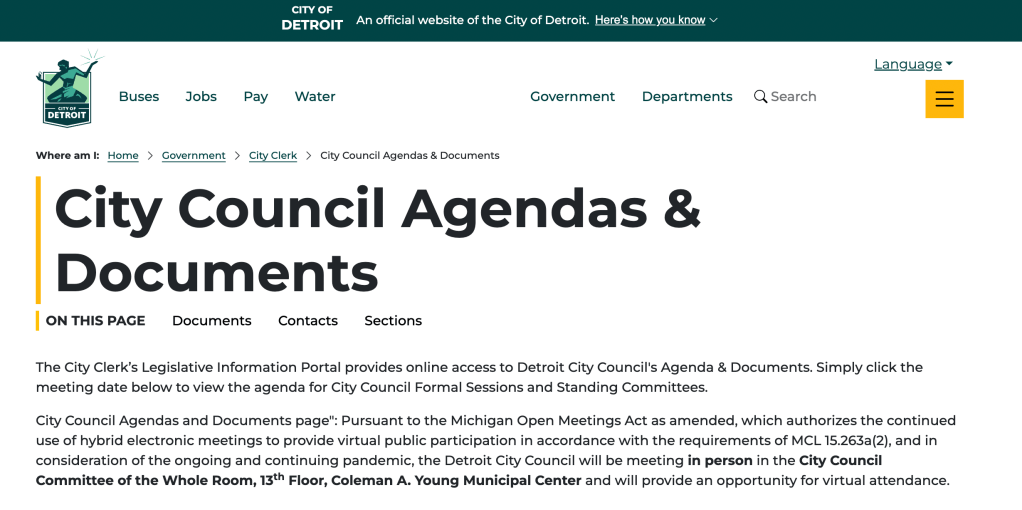
City councils and county boards pass ordinances on zoning, public safety, schools, and budgets. These changes rarely make the news but affect your community the most.
Here’s how to keep up locally:
- Subscribe to city council agendas and minutes. Detroit City Council – side note: not a lot of people know that I used to intern for DCC in high school. It’s where I first started flexing my pen.
- Check if your municipality offers an RSS feed or email alerts.
- For deeper monitoring, professional services like FiscalNote or Statescape aggregate local bills and agendas for advocates and organizations.
Step 4: Supercharge Tracking with FastDemocracy
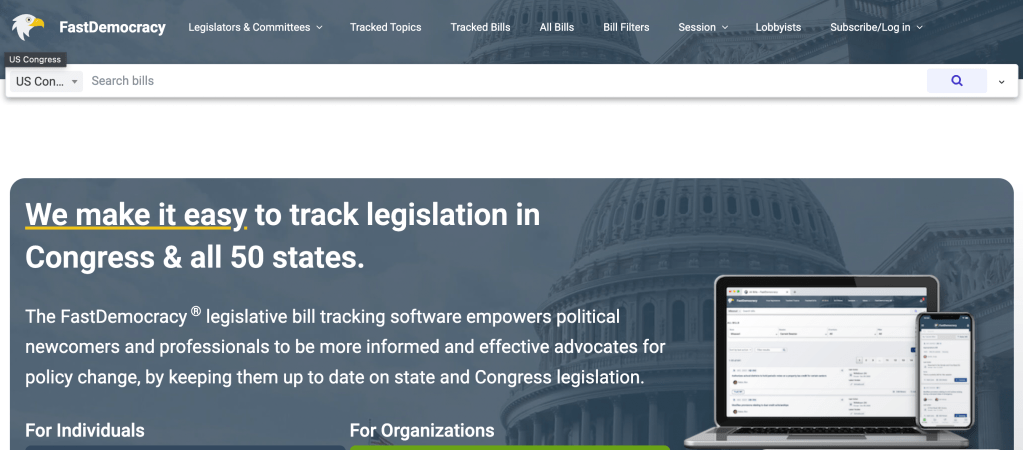
This is where things get easier. FastDemocracy is a bill-tracking platform designed for individuals, nonprofits, and advocacy groups.
With FastDemocracy you can:
- Track unlimited bills on the free plan.
- Search vote records and see how lawmakers align with your priorities.
- Receive daily or weekly email digests of bill updates.
- Build and share lists of important bills with colleagues or your community.
- On the professional tier, access advanced tools like amendment alerts, auto-generated reports, and similarity detection to flag “copycat” bills.
Instead of manually checking multiple sites, you’ll have updates delivered straight to your inbox.
Step 5: Create Your Monitoring Workflow
Here’s a simple system anyone can set up:
- Choose your priorities: focus on 3–5 issues (e.g., housing, healthcare, environment).
- Set alerts: use Congress.gov, OpenStates, and FastDemocracy to subscribe to keywords or bill numbers.
- Make a dashboard: whether it’s a spreadsheet or FastDemocracy’s bill lists, log each bill’s status and key dates.
- Read beyond the title: bill titles can be misleading; always review summaries or full text.
- Act early: committee hearings are the best chance to influence outcomes.
Tips & Tricks
- Keep alerts narrow so you don’t drown in updates.
- Verify facts in the official bill text before sharing.
- When organizing others, always cite the bill number, committee, and last action so they can check for themselves.
Final Thoughts
Monitoring legislation may sound like a boring, full-time job, but with the right tools, it becomes a manageable habit. Start with Congress.gov for official federal updates, use OpenStates to simplify state tracking, subscribe to your local council agendas, and let FastDemocracy tie it all together with alerts and dashboards.
When you know what’s happening and when you turn political noise into actionable insight. That’s how ordinary citizens become powerful advocates. There’s no better time to stay informed and get involved.
 Lence in Layers