You moisturize, exfoliate, hydrate. You invest in SPF, serums, and maybe even the occasional facial. But here’s the question no one’s asking enough:
What are you putting on your skin all day long?
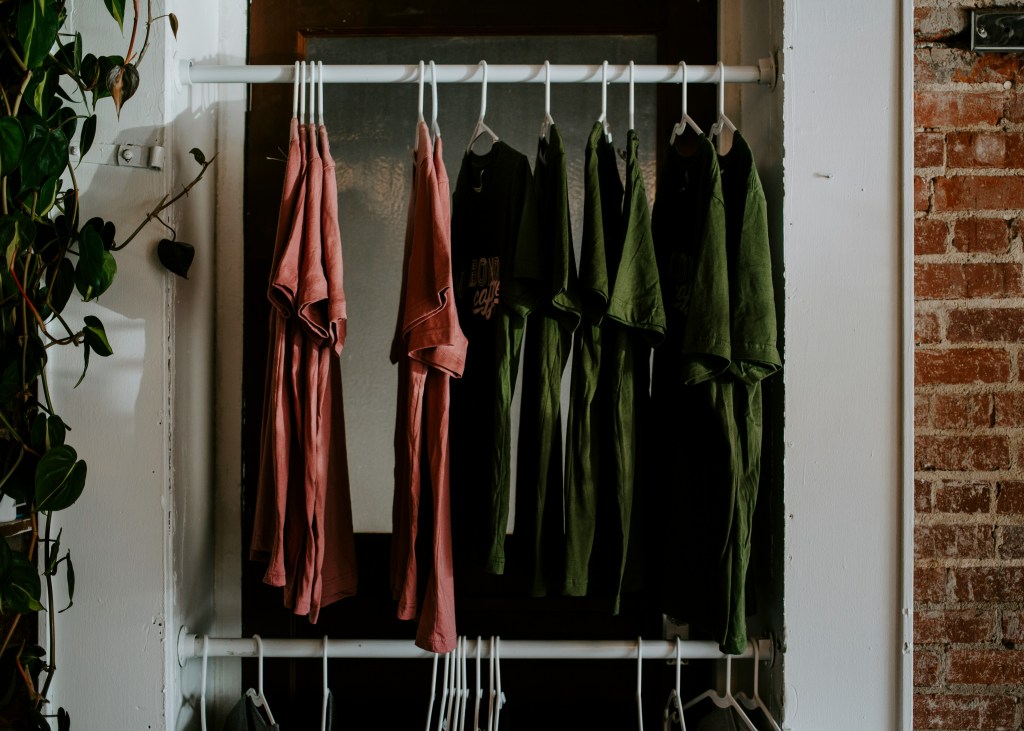
I’m not talking about skincare. I’m talking about your clothes. Because the truth is, your closet could be undoing all the care you give your skin.
Your skin is your largest organ. It breathes. It absorbs. It protects. And every time you get dressed, you’re making a decision that directly impacts its health. It’s time we started treating our wardrobe like part of our wellness routine.
It hasn’t always been this complicated. Generations ago, clothing was made from fewer materials: mostly natural, breathable fibers like cotton, linen, wool, and silk. Fabric blends were rare, synthetic textiles hadn’t taken over, and “performance wear” wasn’t quietly waging war on your pores.
Today, the rise of fast fashion and synthetic blends means your skin is often trapped beneath plastic-derived materials, harsh dyes, and hormone-disrupting finishes in the name of trends and convenience. That shift hasn’t just changed closets; it’s quietly changed our relationship with our skin.
Fabric 101: What’s Actually Touching Your Skin?
Let’s break down what those clothing labels really mean and why it matters:
Cotton
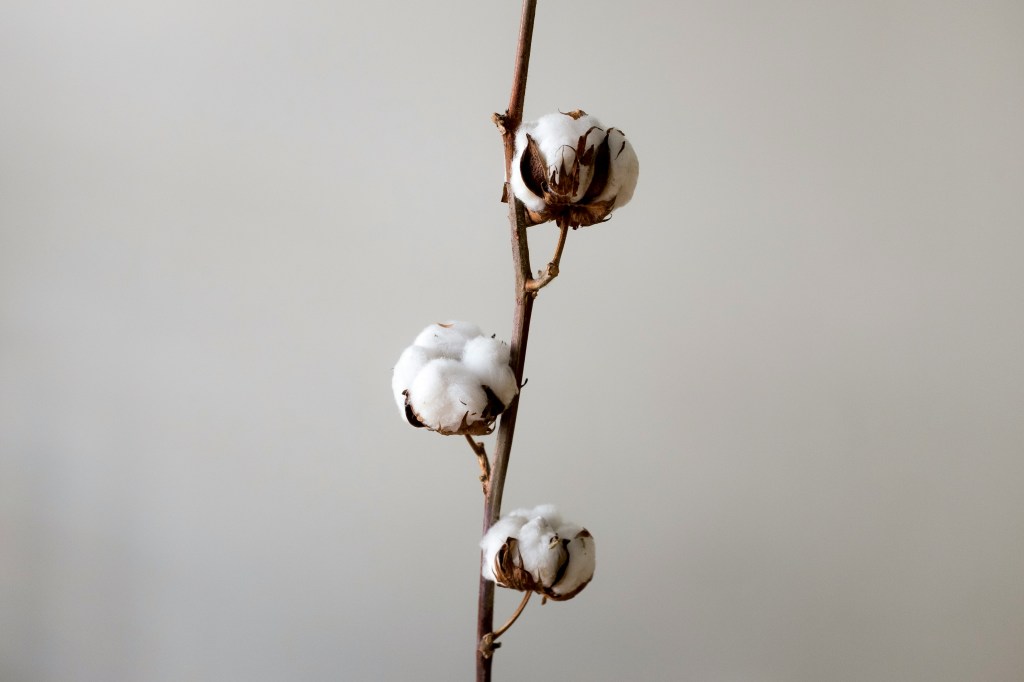
- Natural, breathable, and generally skin-friendly — unless it’s doused in pesticides and bleach (which most conventional cotton is).
- Choose: Organic or GOTS-certified cotton for a truly skin-safe experience.
Polyester
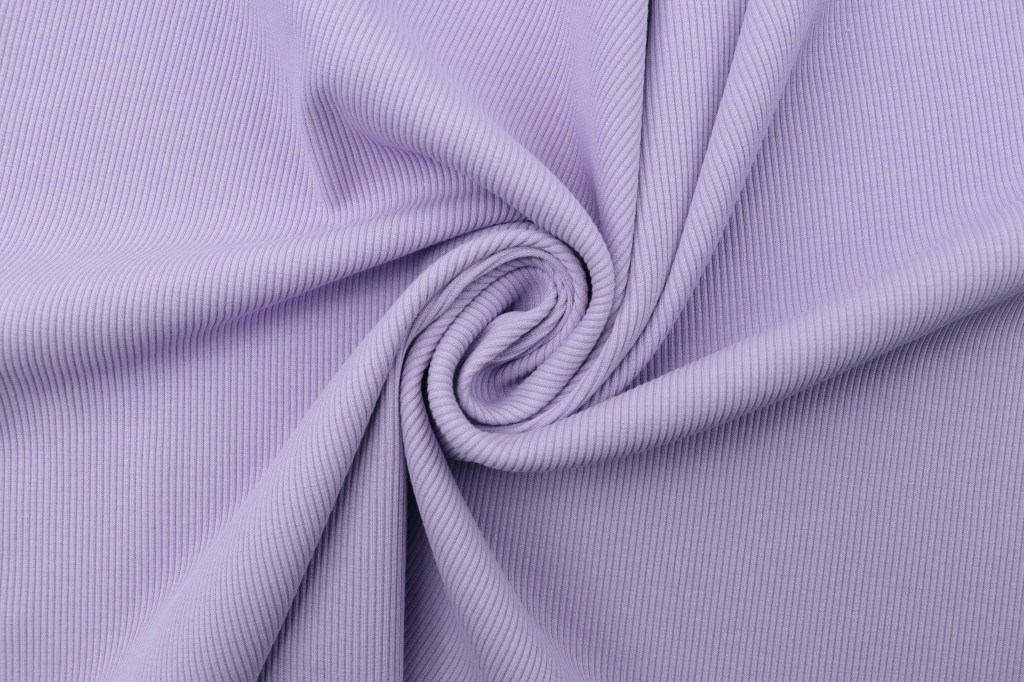
- Made from petroleum. Yep, literal plastic.
- Traps heat and sweat, which can lead to body acne, irritation, and inflammation — especially in the T-zone of your chest, back, and thighs.
- Avoid if you have sensitive skin or care about breathability.
Rayon/Viscose
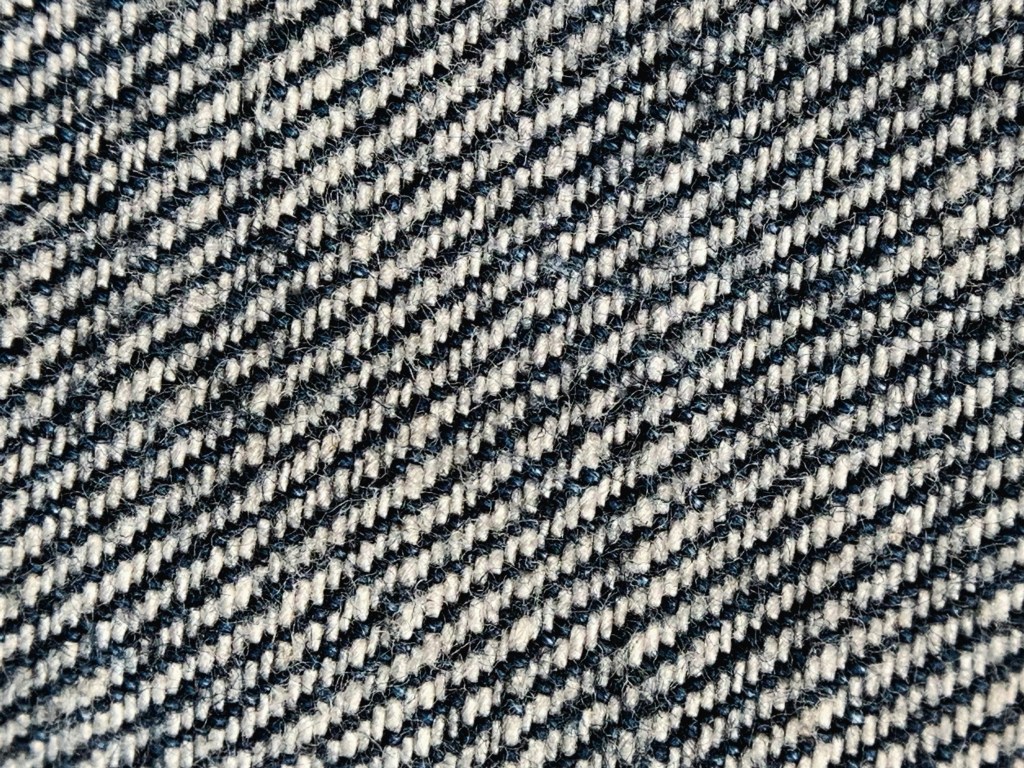
- Sounds natural (“made from wood pulp!”), but it’s treated with toxic chemicals that aren’t always kind to your skin — or the planet.
Nylon + Spandex
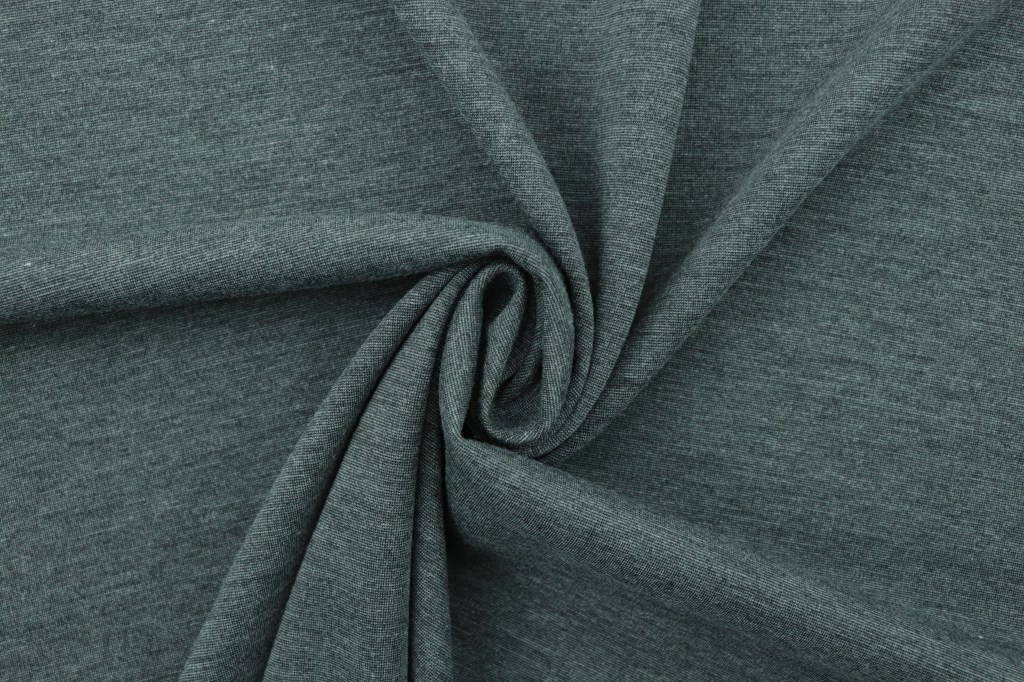
- Great for stretch, bad for airflow. These synthetic fibers cling, trap bacteria, and can irritate the skin.
- Often found in activewear — so ironically, the stuff you sweat in most can be the most irritating.
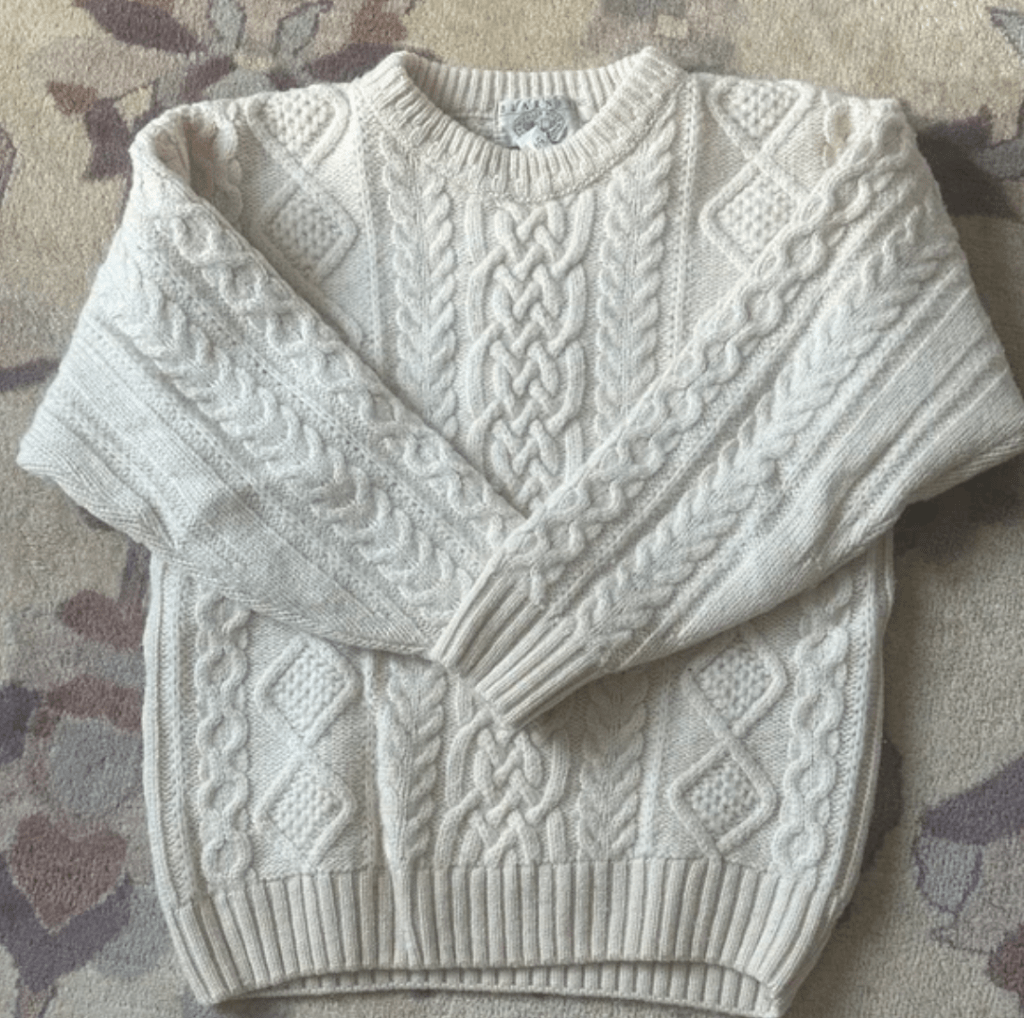
Wool
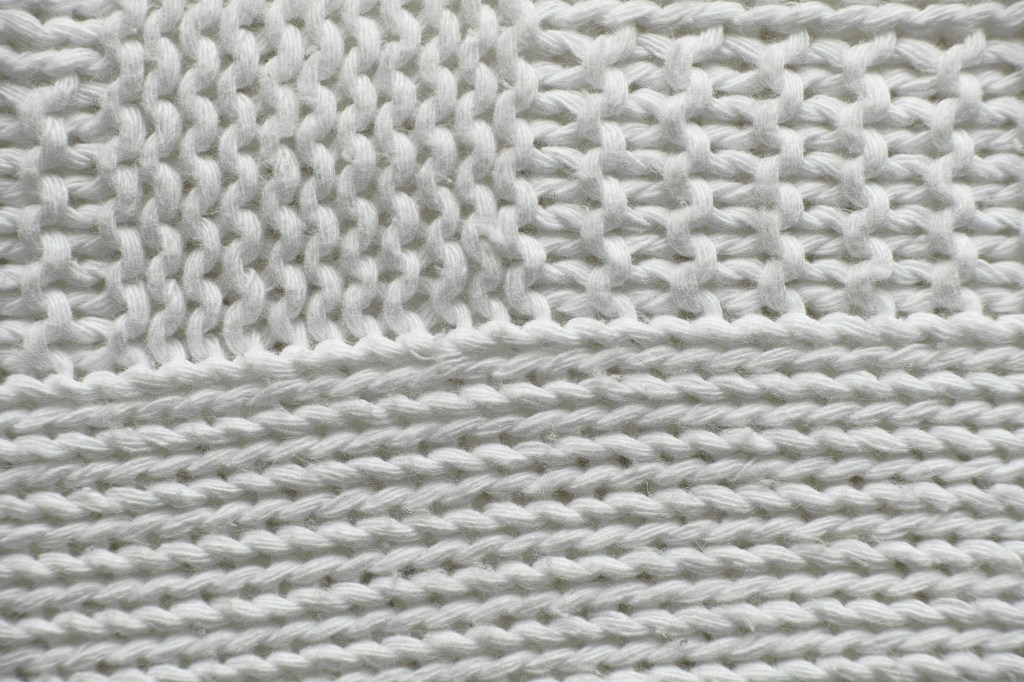
- Natural and warm, but not always gentle.
- Some types (like merino) are soft and skin-safe, while others can be itchy or cause allergic reactions.
Silk
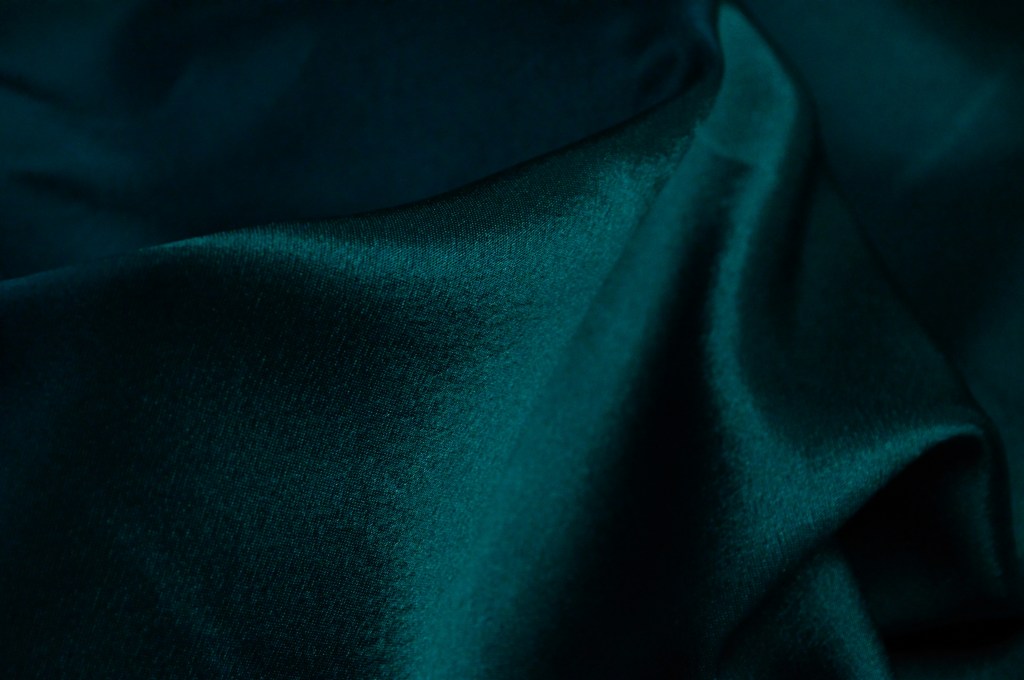
- Luxuriously soft and naturally hypoallergenic — but also delicate and not ideal for sweaty days or acne-prone areas.
Linen
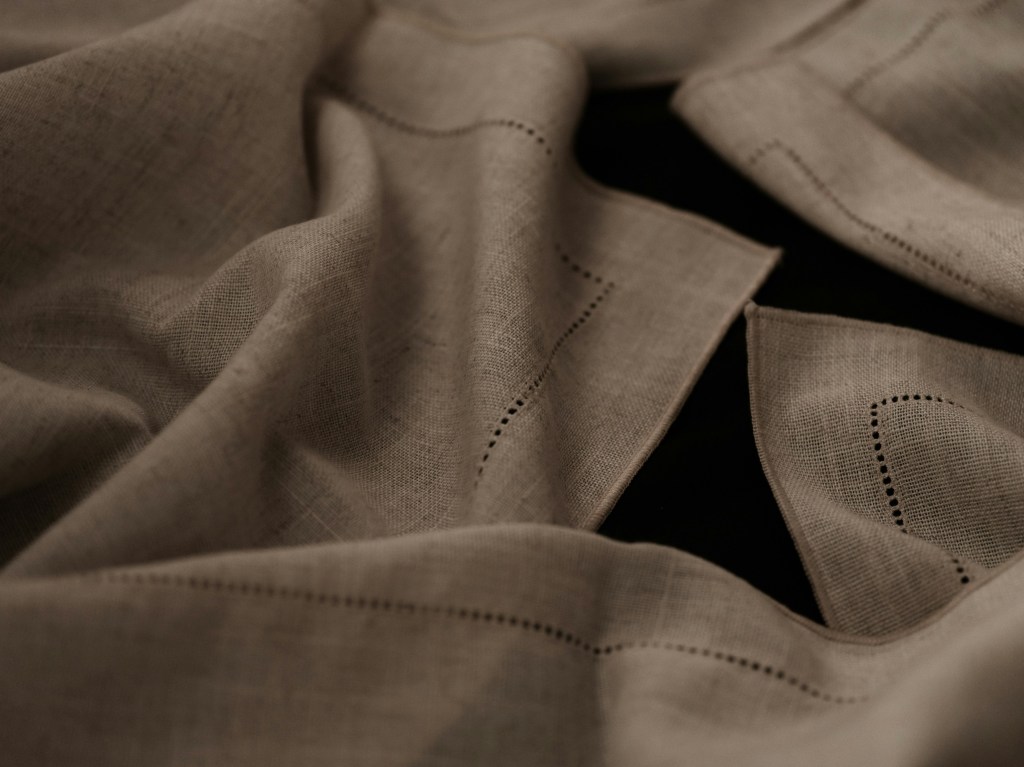
- Lightweight, breathable, and one of the best fibers for hot climates and reactive skin.
- Plus, it gets softer the more you wear and wash it.
Why This Isn’t Just About Comfort
This isn’t about being “bougie” or picky. It’s about protecting your health.
Your clothes can:
- Cause or worsen body breakouts
- Trigger eczema and contact dermatitis
- Expose you to chemicals that disrupt hormones or affect long-term health
- Create environments that trap bacteria, sweat, and yeast
Fast fashion doesn’t just harm the planet, it compromises your skin barrier. And if you’ve ever wondered why that one top makes you itch, or why your skin clears up when you wear loose, natural fabrics… well…it’s most likely the fabric.
Fibers That Love On Your Skin
Here’s what to look for when you want your skin (and your conscience) to feel good:
- Organic Cotton – breathable, versatile, and easy to wear
- Hemp – antibacterial, strong, and softens over time
- Linen – ideal for sweat-prone, breakout-prone skin
- TENCEL™ (Lyocell) – smooth, sustainable, and gentle on sensitive skin
- Mechanically processed bamboo – softer than cotton and hypoallergenic
- Merino wool – warm, breathable, and less itchy than traditional wool
Where to Shop: Skin-Safe & Stylish
Whether you’re ballin’ on a budget or ready to invest, here’s a list of online stores that prioritize fabric, feel, and fairness:
Affordable (under $50)
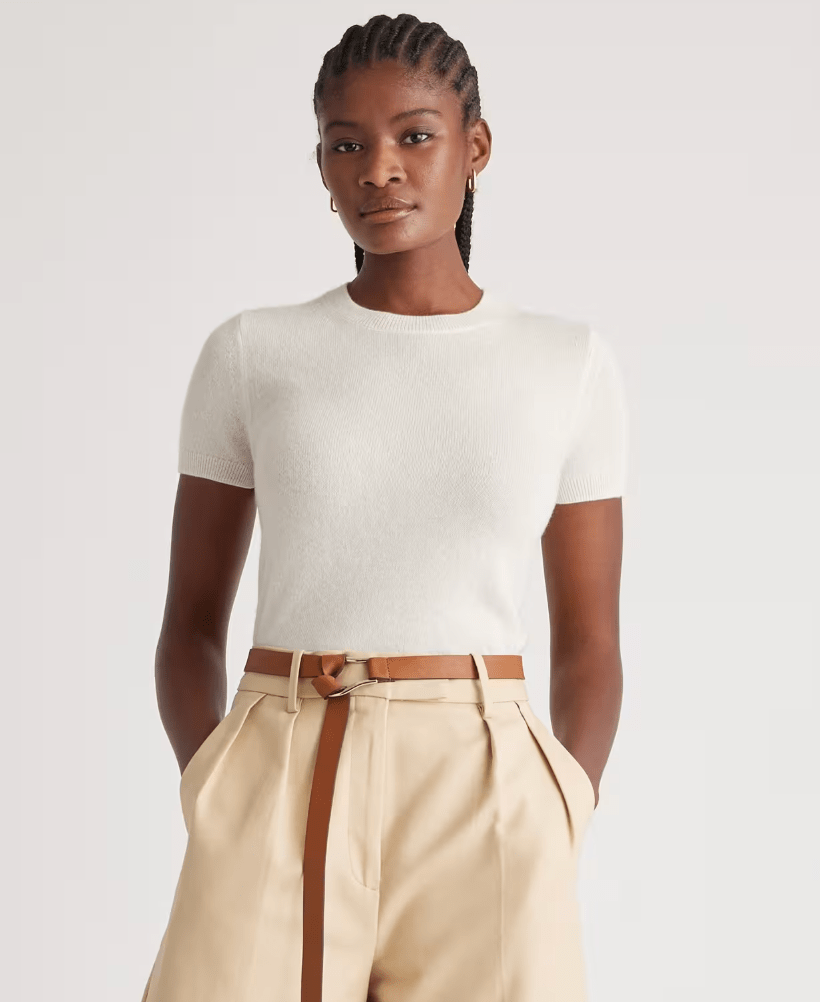
- Pact – Basics made with organic cotton that actually last
- Quince – Luxe-feeling pieces at gentle prices (think silk and organic cotton)
- Boody – Eco-friendly everyday basics made from bamboo viscose
Mid-Range ($50–$250)
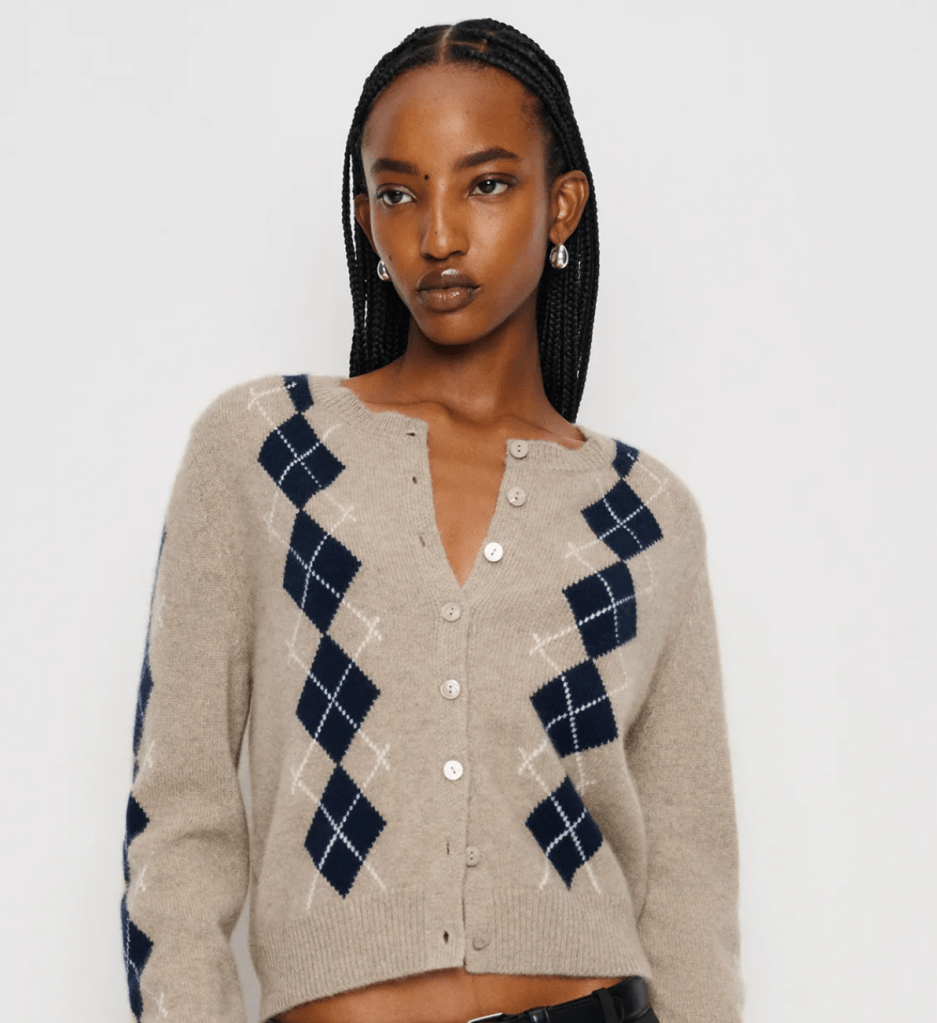
- Everlane – Transparent about materials and ethics
- Reformation – Trend-forward styles with sustainable fabrics
- Nuuly – Rent instead of buy — wear high-end brands without the guilt
Premium / Investment ($300 Plus)
- Eileen Fisher – Iconic minimalist pieces in breathable, skin-happy fabrics
- Christy Dawn – Organic, deadstock, and regenerative cotton collections
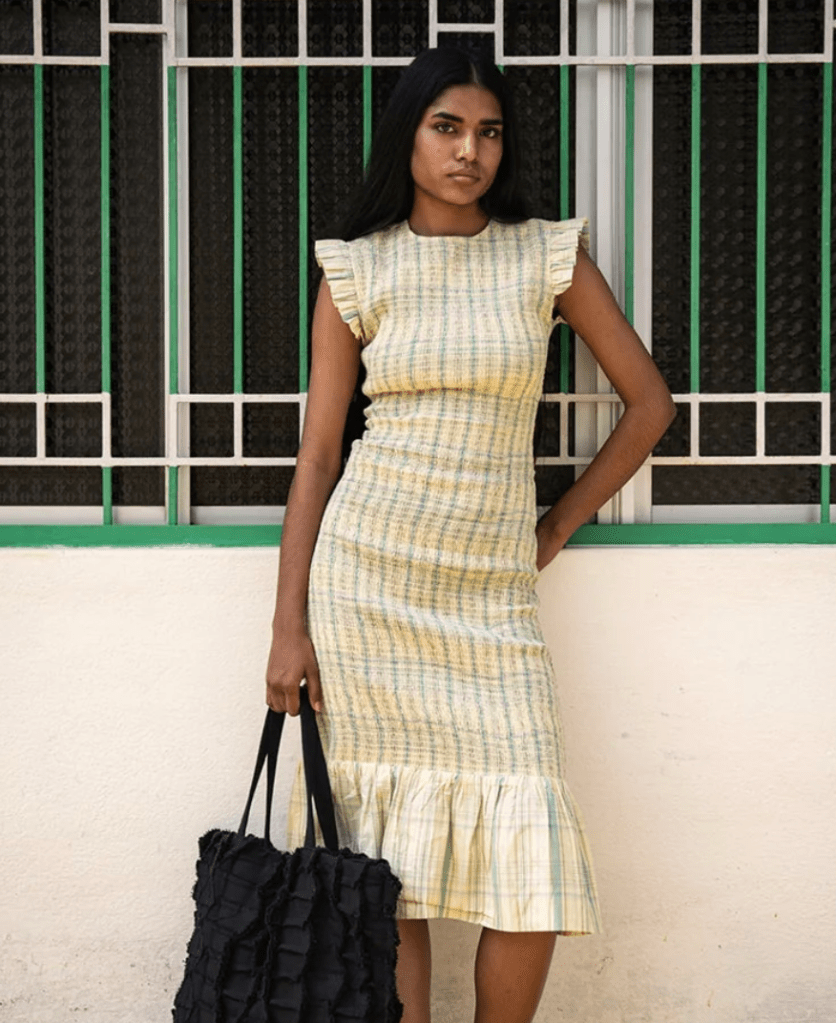
- Oshadi Collective – Artisanal pieces made from regenerative cotton grown and sewn in India
- Jenni Kayne – West Coast luxury basics in natural fabrics like alpaca, cashmere, and cotton
Vintage & Secondhand
- Depop – Great for curated finds from indie sellers
- Poshmark – Easy to filter by fabric and brand
- ThredUP – Secondhand, but highly filterable — hunt for natural fibers
- TheRealReal – Designer resale with clear fiber content
- Noihsaf Bazaar – A cult-favorite Instagram resale community for thoughtful fashion lovers
Final Thoughts
You don’t have to overhaul your wardrobe overnight, but you do deserve to know that the choices you make (even the ones hanging in your closet) have a real effect on your body.
Let your skin breathe, check those tags, and let your clothes care for you just as much as you care for your skin.
 Lence in Layers