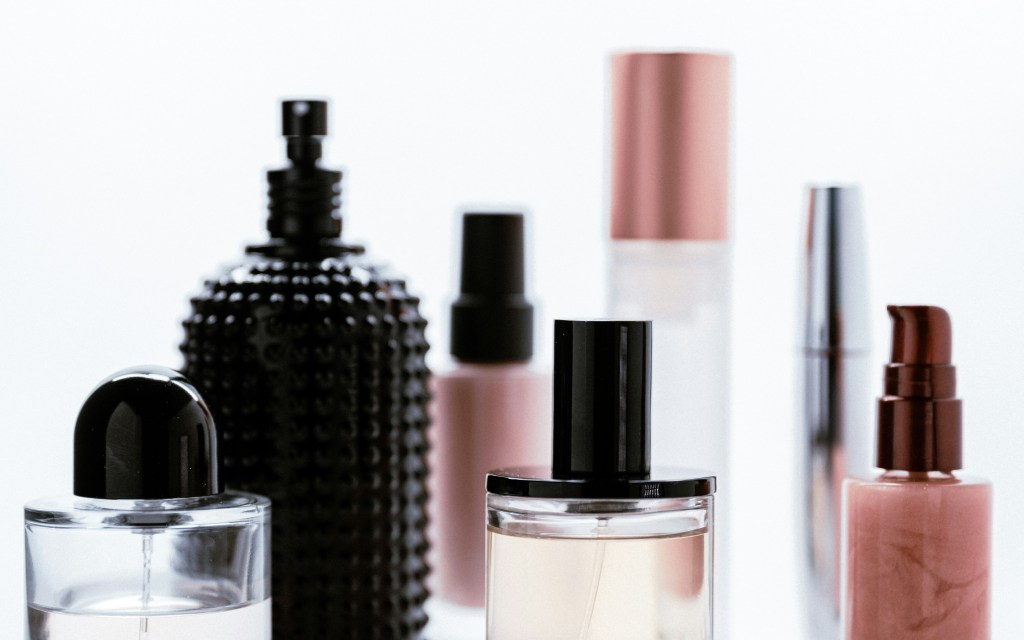
If you’ve ever wandered through any big beauty store, or one that starts with ‘B’ and ends with what every man should be doing before he even *thinks* about approaching a woman romantically, you know the pull. The warm, sweet scents, rows of colorful bottles, and candles glowing like little jewels can feel irresistible. For many of us, those products are tied to memories (e.g., picking out our first “grown woman” scent, stocking up on body creams and matching sprays, or gifting them to the people we love).
But, here’s what doesn’t get talked about enough: some of the chemicals in these products have been linked to serious health concerns. And as Black women, who already faces disproportionate rates of certain hormone-related conditions, it’s important to know what we’re putting on our skin every day.
Our bodies deserve better than products that compromise our health while marketing themselves as self-care.
Why This Matters
Black women in the United States are disproportionately exposed to hormone-disrupting chemicals through personal care products. That’s not speculation. It’s been documented in research. Studies have shown that products marketed specifically to Black women, from hair relaxers to scented lotions to vaginal douches, are more likely to contain ingredients like parabens, phthalates, and formaldehyde-releasing preservatives.
Many of these chemicals are known as endocrine disruptors, meaning they interfere with the body’s hormonal system. Even small, repeated exposures can add up over time.
So what does that mean for our health? Researchers have linked these chemicals to:
- Hormone disruption, which can contribute to fibroids, infertility, early puberty, and hormonal imbalances
- Skin irritation, eczema, and contact dermatitis, which are already more common in melanated skin
- Increased risks of hormone-sensitive cancers, such as breast and ovarian cancer, when exposure is frequent and prolonged
These risks are not just hypothetical. One recent study even showed that Black women who switched to cleaner, fragrance-free products for just 28 days showed measurable decreases in the levels of certain harmful chemicals in their bodies.
It’s clear that the products we use every day matter.
What to Watch For
It can be overwhelming to start reading ingredient labels, but here are some of the most common offenders you’re likely to see on bottles:
- Fragrance/Parfum — This term can hide dozens (or hundreds) of undisclosed chemicals under one word. Many of those hidden chemicals are known irritants or hormone disruptors.
- Parabens — These are preservatives that keep products from spoiling, but they’ve been linked to hormone disruption. Look for names like methylparaben, propylparaben, or butylparaben.
- Phthalates — These make fragrances “stick” and last longer, but they’re also hormone disruptors. They’re often hidden under “fragrance,” so they can be hard to spot.
- DMDM Hydantoin, Imidazolidinyl Urea — These are formaldehyde-releasing preservatives, and formaldehyde is a known carcinogen.
These ingredients are common because they’re cheap and they make products shelf-stable for longer. But that doesn’t mean we have to keep buying into them.
Safer Alternatives That Still Feel Luxe
You don’t have to give up self-care or smelling good. Clean, safe products are more widely available now than ever. You just have to know where to look.
Here are some brands and product lines that prioritize safer, more transparent ingredients without sacrificing quality:
Safer Brands and Product Lines
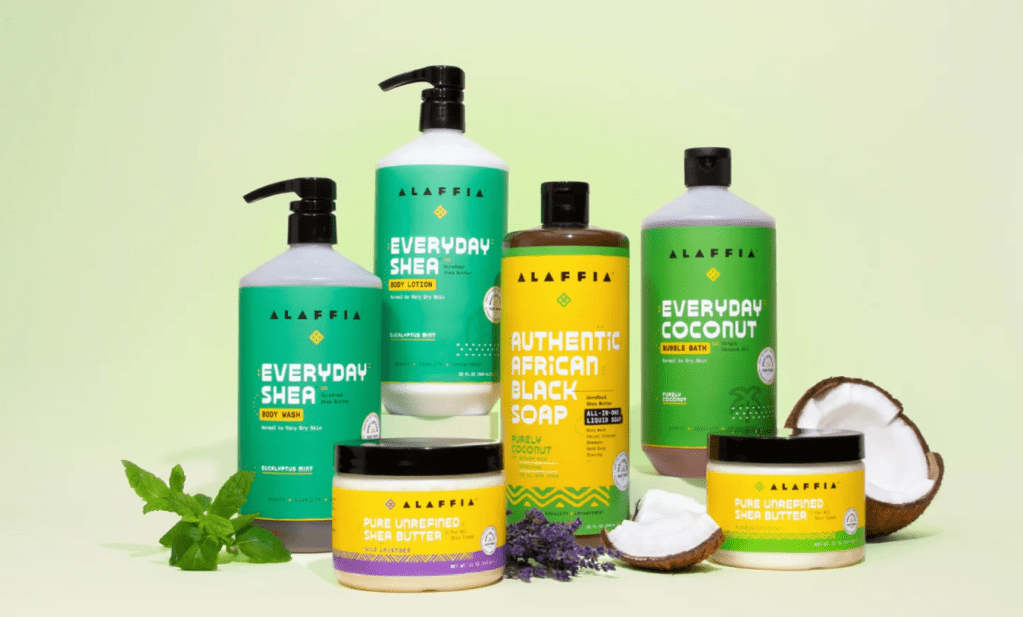
Alaffia
Affordable, shea-based lotions, body washes, and soaps that are ethically sourced and community-minded.
Weleda
This long-established brand offers plant-based, nourishing creams that are a cult favorite. The Skin Food line is especially rich for dry skin.
Everyone (EO)
A great middle-ground brand with both clean-scented and fragrance-free options.
Necessaire
Minimalist and chic, with fragrance-free and naturally scented body care.
Vanicream
Excellent for very sensitive skin and completely free of common irritants.
CeraVe
Not fully “natural,” but dermatologist-recommended, fragrance-free, and supportive of the skin barrier.
Pipette
Clean, fragrance-free, lightweight, and baby-safe, though loved by adults as well.
Pai Skincare Polly Plum Body Cream
Rich and calming, formulated specifically for reactive and dry skin.
Body Washes and Soaps
Alaffia African Black Soap
Multi-use, clean, and budget-friendly.
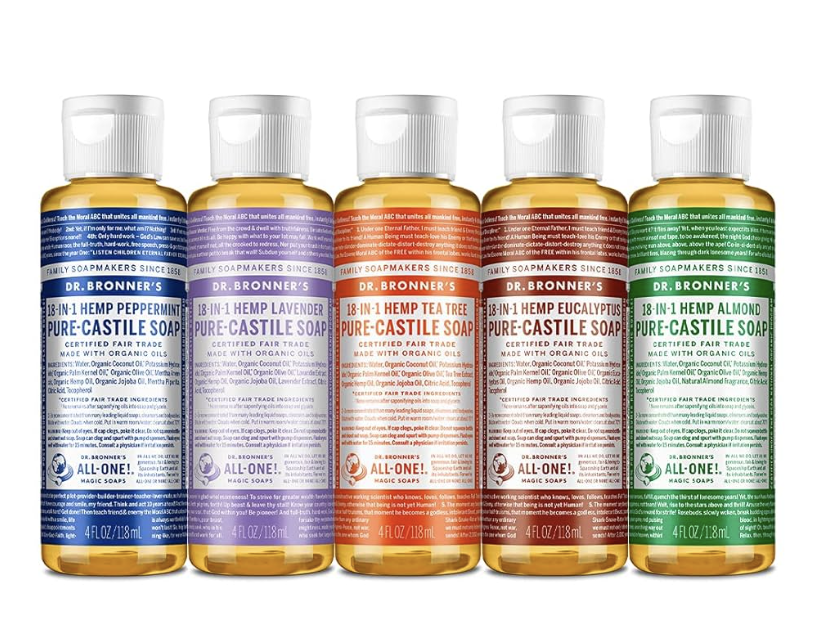
Dr. Bronner’s Castile Soap *I’m obsessed with the Almond version*
Versatile and plant-based; the Baby Unscented version is great for sensitive skin.
Attitude Living Body Wash
EWG-verified, fragrance-free or lightly scented with natural ingredients.
Everyone (EO) Body Wash
The same clean formulas as their lotions, offered in family-friendly sizes.
Babo Botanicals Sensitive Baby Wash & Shampoo
Ultra-gentle and safe for face and body.
Vanicream Gentle Body Wash
One of the best choices for ultra-sensitive or eczema-prone skin.
Candles and Home Scents
Fontana Candle Co.
Made with beeswax and coconut oil, scented only with essential oils.
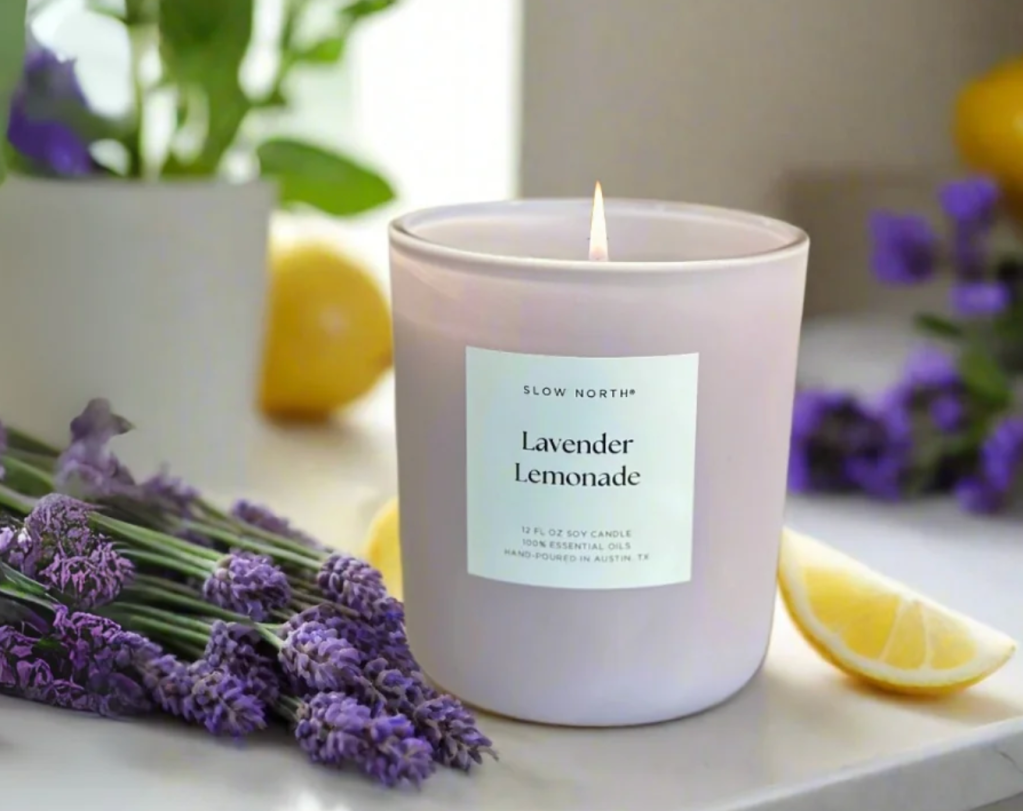
Slow North
Small-batch, clean-burning candles with non-toxic wicks.
Grow Fragrance Room & Fabric Spray
Plant-based and non-toxic, ideal for freshening your home safely.
Other Categories
Deodorants
- Native Sensitive Unscented
- Schmidt’s Fragrance-Free Sensitive
- Each & Every Fragrance-Free
- Meow Meow Tweet Baking Soda-Free
Lip Balms
Even if you simply opt for fragrance-free or sensitive-skin versions of more mainstream products, you’re already making a meaningful change.
For Us, By Us
As Black women, our skin, our hair, and our hormones deserve more than being afterthoughts. They deserve care. They deserve respect. Too often, we’re sold products marketed to “pamper” us that actually put us at greater risk than what is marketed and that’s not acceptable.
We already face inequities in healthcare. We already have higher rates of fibroids, infertility, and hormone-sensitive cancers. The last thing we need is for our personal care routines, what should feel like an act of love, to quietly undermine our health.
Choosing cleaner products is not about fear or perfection. It’s about empowerment. It’s about knowing better, so we can choose better for ourselves, our sons, our daughters, and the next generation of Black women who deserve better.
Final Tips to Make the Switch
If you’re ready to start making changes, here’s what works:
- Start slow. You don’t have to throw everything out at once. Replace products one by one as you use them up.
- Download a free ingredient-checking app, like Think Dirty, Yuka, EWG Skin Deep database, to vet products before buying.
- Don’t be fooled by “unscented.” Many unscented products still contain masking fragrance. Look specifically for fragrance-free.
- Prioritize what you use most and what covers the largest areas of your body first — like body lotion and wash.
- Remember: your health and peace of mind matter more than a temporary scent.
What we put on our skin matters, because it’s not just about beauty, it’s about health. It’s about protecting ourselves and setting a better standard.
If you’ve already made the switch to cleaner products, share your favorite brands or tips in the comments below. Let’s keep each other informed and empowered~
Sources:
Dodson, R. E., Franklin, E. A., & Zota, A. R. (2025). Formaldehyde releasers found in common personal care products used especially by Black and Latina women. Environmental Science & Technology Letters. https://doi.org/10.1021/acs.estlett.5c00242
Environmental Working Group. (2025). Higher hazards persist in personal care products marketed to Black women, report reveals. EWG.
Harley, K. G., Kogut, K., Madrigal, D. S., Cardenas, M., Vera, I. A., Meza‑Alfaro, G., & Eskenazi, B. (2016). Reducing phthalate, paraben, and phenol exposure from personal care products in adolescent girls: Findings from the HERMOSA intervention study. Environmental Health Perspectives, 124(10), 1600–1607. https://doi.org/10.1289/ehp.1510514
National Cancer Institute. (2011). Formaldehyde and cancer risk. NCI. https://www.cancer.gov/about-cancer/causes-prevention/risk/substances/formaldehyde/formaldehyde-fact-sheet
Environmental Working Group. (2010). Not so sexy: The health risks of secret chemicals in fragrance. EWG. https://www.ewg.org/research/not-so-sexy
 Lence in Layers