
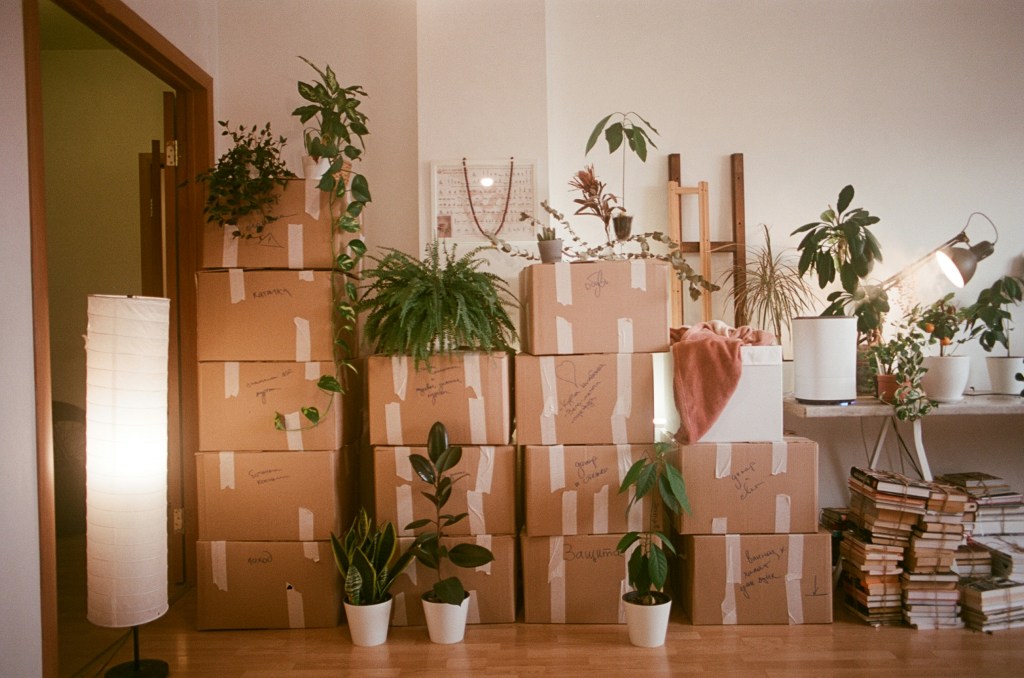
Moving can be both exciting and exhausting. Whether you’re relocating across town or just down the hall, there’s always more to do than you expect. While the internet is full of basic checklists (e.g., hire movers, change your address, buy boxes), there’s a whole category of actually useful, but often overlooked tips that can make your move smoother, saner, and maybe even enjoyable.

Here are some of the best-kept secrets from seasoned movers and personal experience:
1. Pack a Night Bag Like You’re Traveling
The first night (or two) in your new place can feel like you’re camping indoors. That’s why packing a designated overnight bag is essential. Be sure to include:
- 2–3 comfortable outfits
- Pajamas
- Undergarments and socks
- Your daily toiletries (face wash, toothbrush, deodorant, etc.)
- Phone charger
- Toilet paper, a towel, and a bar of soap
- Light snacks and bottled water
This bag should be the last thing you pack and the first thing you grab.
2. Label Your Boxes by Room (& Be Specific)
Don’t just write “Kitchen” or “Bedroom.” Be specific: “Kitchen – Pots & Pans” or “Bedroom – Winter Clothes.” It’ll make unpacking 10x easier and help movers know where to place each box.
Pro tip: Color-code by room. Use colored masking tape or stickers for a quick visual guide.
3. Consider Ditching Boxes for Plastic Tubs
Cardboard boxes are classic, but plastic tubs? Game changer. They’re reusable, sturdier, and far better at protecting your belongings from moisture or accidents. Yes, they take up space afterwards, but if you have a closet or garage, they double as storage.
4. Start with Your Closet and Pack by Frequency of Use
Begin packing in the place where clutter tends to pile up: your closet. Leave out your go-to outfit and most-worn shoes, then donate anything you haven’t worn in a year, excluding special occasion wear. After that, pack books, rarely used kitchen gadgets, and backup electronics. No matter what room you start with, the rule is the same: pack (sell or donate) what you use least often, first.
5. Sell or Donate What You Haven’t Touched in Over a Year
Moving is the perfect opportunity to let go of what no longer serves you. If you haven’t used it, worn it, or even thought about it in the past year, sell it, donate it, or toss it. You’ll lighten your load and feel more intentional about what you bring into your next chapter.
6. Get At Least Five Moving Quotes
Moving companies vary wildly in price, professionalism, and care. Don’t book the first one you talk to. Compare at least five quotes and read recent reviews (Yelp, Google, BBB, Thumbtack, TaskRabbit). Also, ask if they charge by weight, time, or number of items. It makes a difference.
7. Move Your Valuables Yourself
No shade to movers, but for peace of mind, pack and transport your valuables and easily broken electronics (like TVs, laptops, jewelry, and sentimental keepsakes) yourself. Use a blanket or bubble wrap to secure fragile items and keep them in your (a friend or family member’s) car, if possible.
8. Handle Utilities, USPS, and Insurance Before You Move
Switch your renter’s insurance, utilities (electricity, water, internet), and USPS address at least 48 hours in advance. This ensures you’re covered, connected, and not missing important mail. Don’t leave this to moving day. You’ll forget, trust.
9. Reserve Elevators and Check Building Rules
If you’re moving into a condo, co-op, or apartment building, you might need to reserve an elevator or get approval from building management. Don’t assume. Check in advance. You don’t want to show up on a busy Saturday and find out you can’t use the service elevator.
10. Keep Cords Taped to Their Electronics
Losing cords is a top-tier moving annoyance. Avoid the mystery tangle by taping the power cord directly to the electronic it belongs to. No more guessing games later.
11. Wrap Furniture in Plastic Wrap
Not the kitchen kind: furniture plastic wrap. It’s relatively inexpensive and protects your couch, dresser, or TV stand from dirt, scratches, and scuffs. You can even bundle loose drawers so they don’t fly open in the truck.
12. Put Books in Rolling Suitcases
Books are heavy. Instead of overloading boxes, or tubs, stack them into your rolling suitcases. It saves your back and makes moving them a breeze.
13. Let People Help (and Pay Attention to Who Shows Up)
If someone genuinely offers to help, let them. This isn’t the time for pride. And if someone you love actively avoids helping or checking in? Pay attention, especially in romantic relationships. If they can’t show up for you during something as stressful as a move, it says a lot.
14. Clean in Advance & Take Photos
Don’t wait until moving day to clean your current place. Knock out the kitchen, bathroom, and closets in the days leading up. And before you leave, take photos of every room, especially if you’re a renter. It’s your evidence of the condition of the space prior to turning in your keys.
Bonus tip: If it’s in your budget, hire a cleaning service for a deep clean once everything’s out. Ask them to send you photos when they’re done. It’s great for peace of mind (and your landlord or next buyer will appreciate it).
15. Pack a Mini Toolkit of Essentials (Trust Me)
There’s always something you’ll need to cut, measure, fix, or seal during a move and having to dig through boxes to find your tools just adds to the chaos. Instead, prep a small “Moving Day Kit” with the following:
- Scissors (2 pairs)
- Clear packing tape or duct tape
- Door stoppers!
- Sharpie (for labeling)
- Measuring tape
- Leveler Tool (especially useful for hanging shelves or art ASAP)
- Basic tool kit (screwdriver, pliers, Allen wrench)
- Small first aid kit (Band-Aids, antiseptic, Advil, etc.)
- Paper towel roll
- Ziplock bags (for random screws, cords, snacks, etc.)
- Disinfectant wipes
Keep this kit either in your car or somewhere you control: not the moving truck. You’ll use it more than you think.
Final Touches:
- Keep a folder with all essential docs: lease, ID, insurance papers, and moving company contract.
- If you have a pet, arrange for someone to watch them during the move. It’s less stressful for everyone involved.
- If you’re able, take a few days off to get settled. You’ll need at least 18hrs of that to sleep and recover.
Moving doesn’t have to be a mess. With a little prep and these often-forgotten tips, you’ll settle in faster and with way less stress.
Happy Moving!
 Lence in Layers