

There was a time when men weren’t afraid to beg. To plead. To cry in a song. They sang about heartbreak, about messing up, about missing someone so deeply it changed them. They didn’t mask their emotions behind bravado or hide behind hyper-independence. They were honest and vulnerable.
Somewhere along the way, we lost much of that.
Modern R&B and hip hop often glorify detachment, control, and conquest. Women are reduced to body parts or treated like trophies. Emotion is considered weakness. And if a man is vulnerable, it’s often clouded in toxicity or coded with manipulation.
But, rewind a few decades? Men were crooning.
5 Love Songs Where Men Owned Their Emotions
1. “On Bended Knee” – Boyz II Men
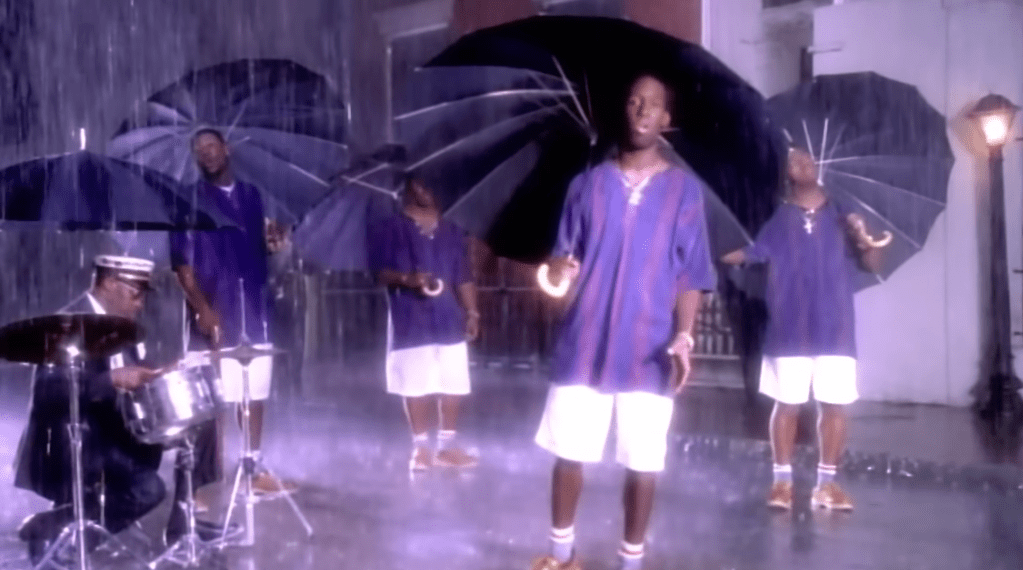
“Can we go back to the days our love was strong? / Can you tell me how a perfect love goes wrong?”
Not only do they take accountability, they beg. Beg. This wasn’t about ego. This was about doing what it takes to make things right. They cry out for reconciliation with open hands and open hearts. No pride, no pretense—just raw regret and a willingness to change. It’s the kind of vulnerability that leaves no room for blame, only reflection.
2. “Spend My Life with You” – Eric Benét ft. Tamia
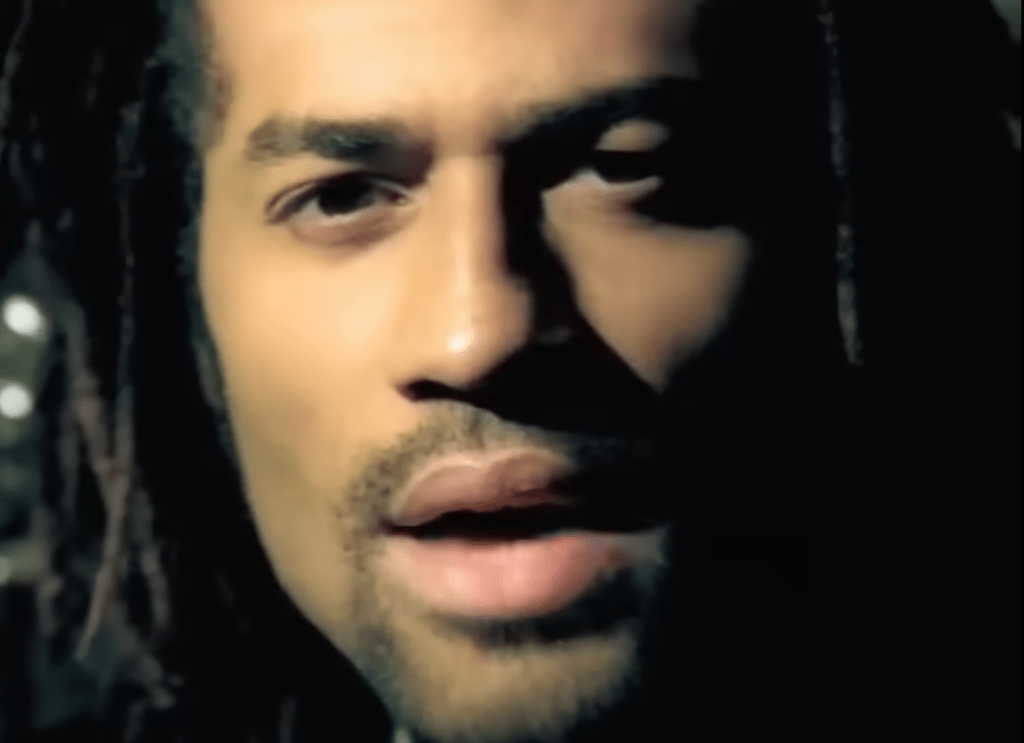
“Can I just see you every morning when I open my eyes? / Can I just feel your heart beating beside me every night?”
This duet is a celebration of emotional availability and romantic commitment. Eric Benét doesn’t beg or break down. Instead, he offers stability and heartfelt devotion. It’s romantic without being performative. Vulnerable without being heavy. In a time when declarations of love are often viewed as weakness, this song is a soft, sincere reminder that joy, too, is a valid emotional expression in love.
3. “Overjoyed” – Stevie Wonder
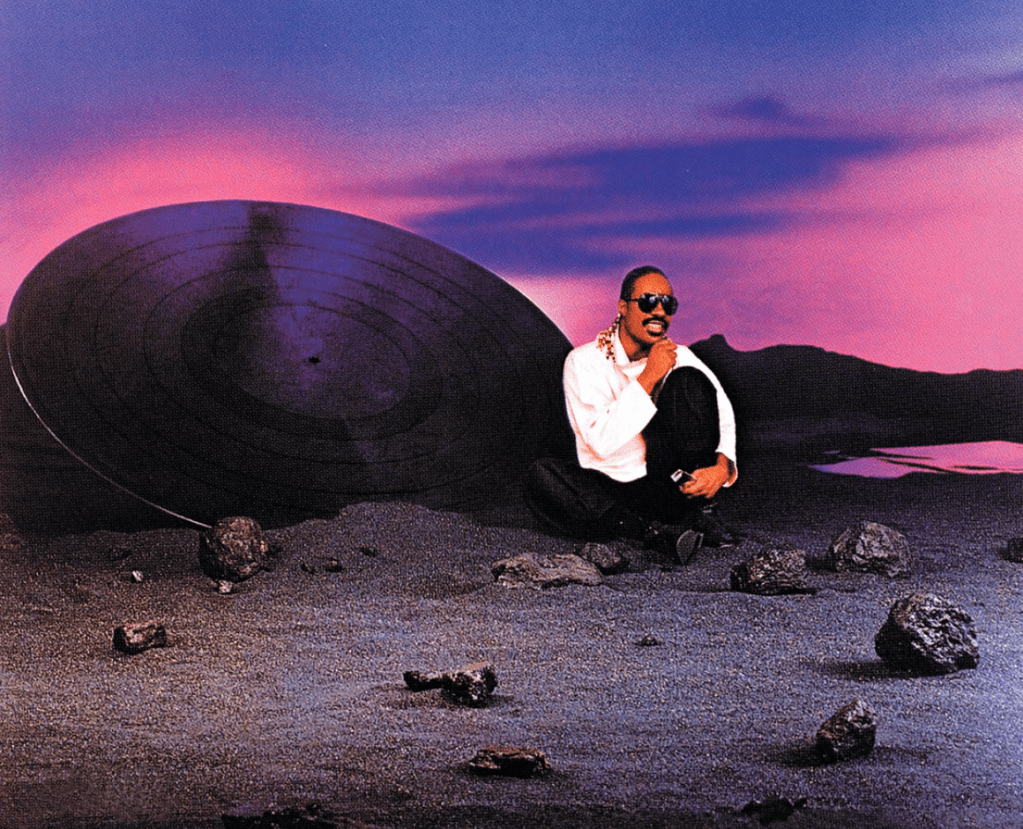
“Over time, I’ve been building my castle of love / Just for two, though you never knew you were my reason.”
“Overjoyed” captures the beauty of quiet optimism. Stevie Wonder confesses unspoken love and dares to believe in something more without shame or pride. Joy can be just as vulnerable as heartbreak, and this track proves it. It also happens to be my personal favorite. It’s a song about wishing, believing, and daring to imagine a future with someone, even if it hasn’t materialized yet. Joy is its own kind of vulnerability, and Stevie delivers it masterfully.
4. “When Can I See You” – Babyface

“When can my heart beat again? / When does the pain ever end? / And when do the tears stop from running over?”
This is Babyface stripped down to his most emotionally bare. “When Can I See You” is about longing, regret, and the ache of absence. He’s not making demands. He’s asking questions. And in those questions is a deep vulnerability that shows a man grappling with loss, not just love. It’s tender, heartfelt, and timeless.
5. “Halfcrazy” – Musiq Soulchild

“You make me wanna bring out the best in me / I loved you, and I hated you”
Messy? Yes. Honest? Absolutely. “Halfcrazy” captures the complexity of love and the emotional rollercoaster of losing it. Musiq doesn’t hide behind stoicism or blame. He admits to the push and pull, the confusion of missing someone and resenting them at the same time. It’s a song about emotional contradiction, and the courage it takes to stay open after pain. He lets us hear the vulnerability of trying to move on while still holding on—a tension that many experience, but few express so honestly.
Today’s Landscape: Red Pill Rhetoric and Objectification
Fast forward to now. Lyrics like:
- “She a baddie with her baddie friend…” (Ice Spice collabs)
- “These h‘s ain’t loyal…”* (Chris Brown)
- “I don’t love these h‘s…”* (Future)
- “Chase a B, never chase no btches”* (Future, “Mask Off”)
Love has become transactional. Women, disposable. Vulnerability? Mocked. In an era of red pill influencers and podcasts that preach emotional detachment, songs that honor emotional honesty are almost radical. These aren’t just lyrics; they’re loud signals of a cultural shift away from emotional responsibility. This isn’t to sensationalize, but to show the very real emotional drought we’re in.
To be fair, not every modern track lacks emotional depth. There are still artists pushing back against the tide like Giveon, Leon Thomas, and even Brent Faiyaz in his more introspective moments. But, their presence is often drowned out by louder, flashier narratives. We need more of them and we need to amplify their messages.
Final Thoughts: Why We Need These Songs Back
Music shapes how we see ourselves and each other.
Songs are called chants for a reason. They’re repeated, internalized, and eventually shape our beliefs. In a way, they’re spells. The words we sing have a way of becoming the language we live by. So, when love songs disappear and are replaced with messages of control and emotional withdrawal, the ripple effect isn’t just felt in playlists. It’s felt in relationships, self-worth, and communication.
This isn’t about going backward. It’s about creating space for vulnerability again. And to be clear, again, not all modern artists are missing the mark. Artists like Giveon, Brent Faiyaz (in his softer moments), Lucky Daye, and Leon Thomas are still carrying the torch, quietly pushing for balance in the genre.
We don’t need a time machine. We need a cultural reset. One where emotional maturity is celebrated, not shamed. One where men lead with heart, not hardness. One where softness is seen as strength, and emotional courage becomes part of the mainstream narrative.
More harmony. Less hostility. Fewer boys posturing and more Boyz II Men.
 Lence in Layers