
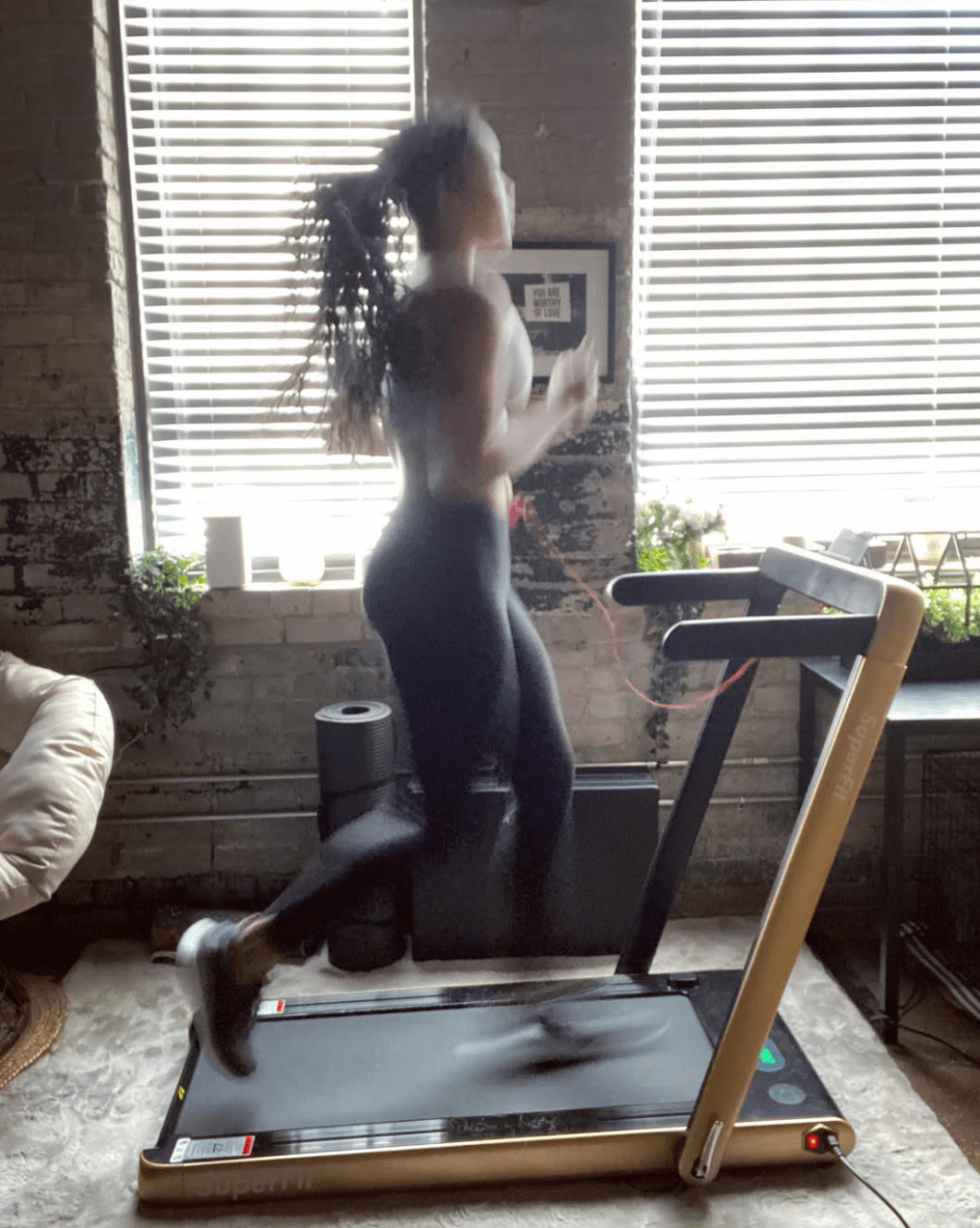
Let me just start with this: I hate running.
Not in a cute, exaggerated “ugh, running is hard” way. I mean I genuinely do not enjoy it. The sweat, the panting, the repetitive pounding on my joints…yeah, it’s just not my thing.
But here’s the twist: I still do it. Regularly.
So, how do I, someone who hates running with my whole chest, manage to get in cardio sessions every other day? Two words: strategic avoidance. I don’t force myself to run in a way that makes me dread my workouts. I cheat the system by making running more tolerable, and honestly, kind of satisfying.
My Anti-Running Running Routine
The secret to my routine is intervals + realism. I don’t run the whole time. I don’t even try to. Here’s my exact formula:
- Start with a warm-up: Walk at 2.8 mph for 3 minutes to get my body loose and ready.
- Then alternate:
- Run at 5.5 mph for 1 minute
- Walk at 2.8 mph for 2 minutes
- Run again at 5.5 mph for 1 minute
I repeat that walk-run cycle for the rest of the session. If I’m really tired, I stop after 20 minutes. But on regular days, I aim for 35 minutes. That’s my sweet spot—enough to feel proud, not enough to feel punished.

And yes, I do this from the comfort of my home. I use the Gold SuperFit Foldable Treadmill, which is compact, reliable, and doesn’t take up a ton of space. (Bonus: I can fold it and pretend like I don’t own a treadmill when I’m done.)
Breathing Tips That Help Me Power Through
Running—even for one minute—used to leave me gasping. But learning how to breathe better changed the game:
- Inhale through your nose for 2–3 steps, exhale through your mouth for 2–3 steps. This creates a calming rhythm and prevents you from tensing up.
- If that’s too hard at first, just focus on deep belly breaths, not shallow chest breathing.
- Avoid holding your breath during transitions. I used to tense up when going from walk to run but now, I keep breathing steady through the switch, and it feels smoother.
Over time, your body will learn to regulate your breath naturally. Until then, find a rhythm and stick with it—even if it’s slower than someone else’s pace.
Why This Works for Me
I’ve learned that movement doesn’t have to be miserable to be effective. For me, consistency matters more than intensity. And this routine?
- Gets my heart rate up
- Boosts my mood
- Doesn’t leave me wrecked for the rest of the day
Plus, by giving myself permission to cut it off at 20 minutes when I’m exhausted, I avoid the all-or-nothing trap that used to keep me stuck.
How I Round Out My Fitness Week
To keep things balanced (and prevent boredom), I mix in other forms of movement:
- Yoga in the morning to stretch and connect before the day begins
- Cycling classes on early mornings when I skip yoga. They get my heart rate up and add a dose of intensity I wouldn’t do on my own. Plus, it’s a vibe and it gives my knees a break.
- Light free-weight lifting (3lbs per hand) for strength without burnout
- Off-day basics like jumping rope, sit-ups, and push-ups — quick and efficient
- Weekend walks through Eastern Market, Belle Isle, or the mall. It’s low-pressure and still beneficial. Plus, it helps me stay active without feeling like I’m “working out.”
Final Thoughts
Running doesn’t come naturally to me. I don’t love it, and I probably never will. But, this routine helps me tolerate it and that’s enough.
If you’re someone who’s always felt like running wasn’t “for you,” maybe it’s just the way you’re doing it. There’s no rule that says you have to sprint for miles or love every second. You just have to find a rhythm that respects your energy, your body, and your mindset.
And if that means walking half the time and running for 60-second chunks while glaring at the treadmill? So be it. You’re still doing the work and that’s what truly counts.
 Lence in Layers