

Most of us aren’t trying to transform our entire lives overnight. What we really want are small, sustainable changes that make things feel calmer, clearer, and more intentional without adding more to our plate.
You don’t need a full self-help makeover to feel better. What helps most are practical systems, meaningful habits, and mindset shifts rooted in both lived experience and real research.
These are the life hacks I regularly use to make my days feel less chaotic and more manageable, inspired by books I love. And I promise these hacks are actually simple enough to stick with.
1. Automate Small Decisions to Reduce Mental Load
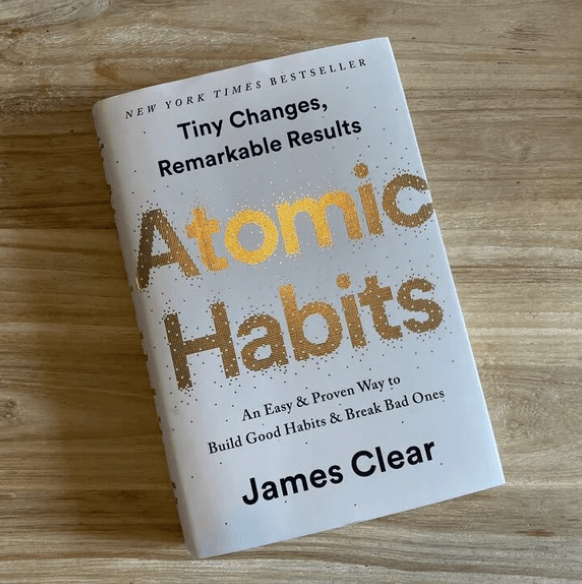
Inspired by: Atomic Habits by James Clear
The average person makes over 35,000 decisions a day — most of them tiny and exhausting. Reduce decision fatigue by automating things like:
- Meal planning on Sundays
- Outfits using a “uniform” system (I literally own 4 of these bodysuits).
- Setting up recurring deliveries for essentials (e.g., HelloFresh or Instacart)
This frees up energy for the big stuff that actually matters (Clear, 2018).
2. Do a 10-Minute Nightly Reset
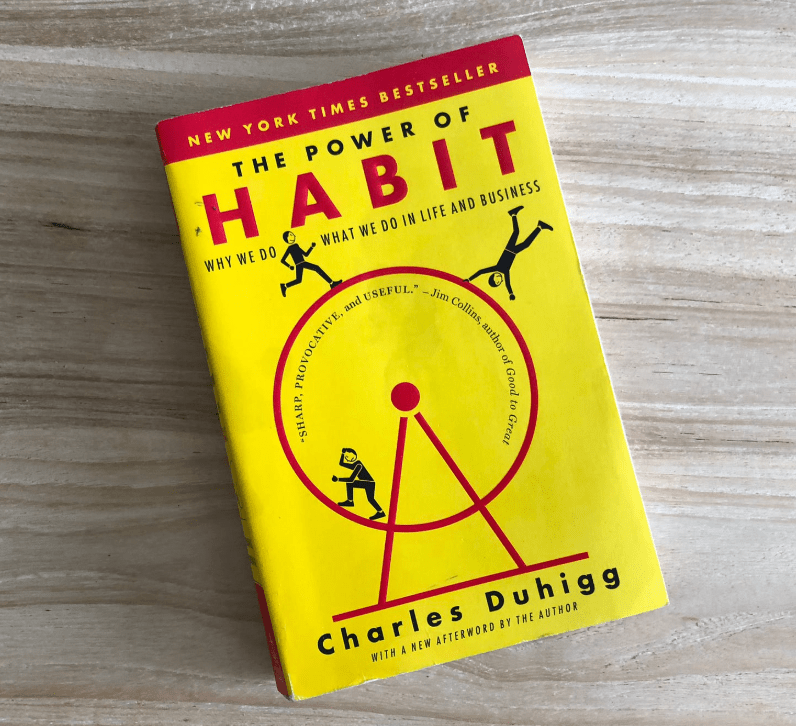
Inspired by: The Power of Habit by Charles Duhigg
Before bed, set a timer for 10 minutes and tidy up one space — your kitchen counter, inbox, or workspace. It’s a low-effort, high-reward ritual that reduces morning stress and boosts emotional clarity (Duhigg, 2012). And if you’re walking to a room, grab something that belongs there and is out of place. You’ll thank yourself a million times over if you adopt this habit.
3. Time Hack Like a Minimalist
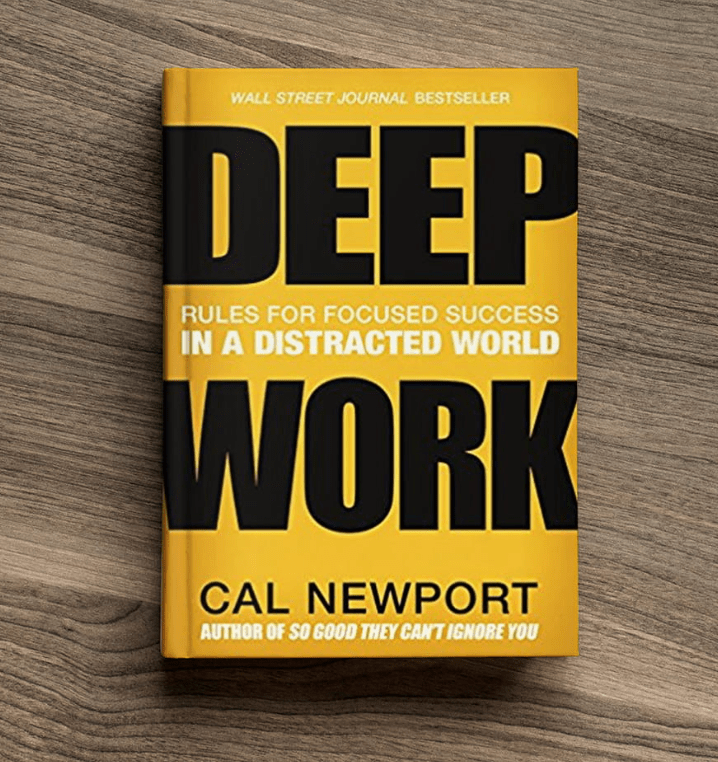
Inspired by: Deep Work by Cal Newport
Treat your time like currency. Block out 60–90 minute “focus zones” for deep work, and batch low-effort tasks together (e.g., answering emails or errands).
Use a digital calendar to color-code blocks and create “invisible boundaries” that protect your time. Bonus hack: schedule breaks before you feel burned out, not after. Preventative rest is more effective than reactive burnout (Newport, 2016).
4. Start the Longest Task First
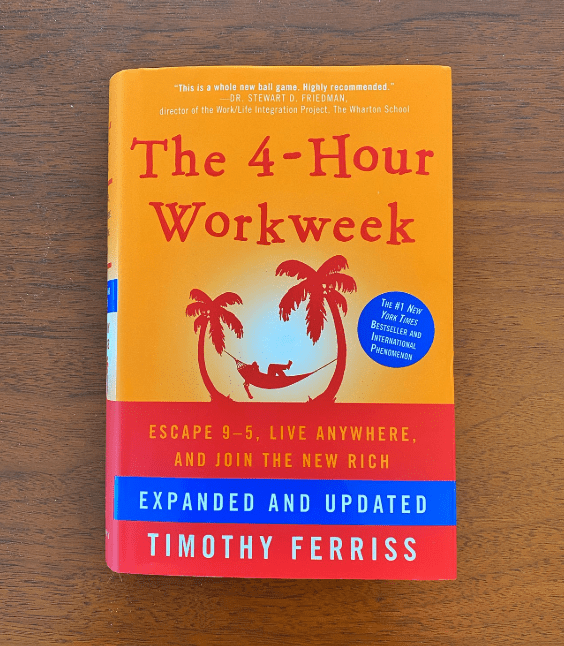
Inspired by: The 4-Hour Workweek by Tim Ferriss
Time hacking also means doing things in the right order. Start with the task that takes the longest to complete, then knock out smaller tasks while it runs.
Boil water, then prep the rest of dinner. Start laundry, then clean the kitchen.
This sequencing trick reduces downtime and creates a smoother workflow (Ferriss, 2007).
5. Create a “Minimum Viable Morning Routine”
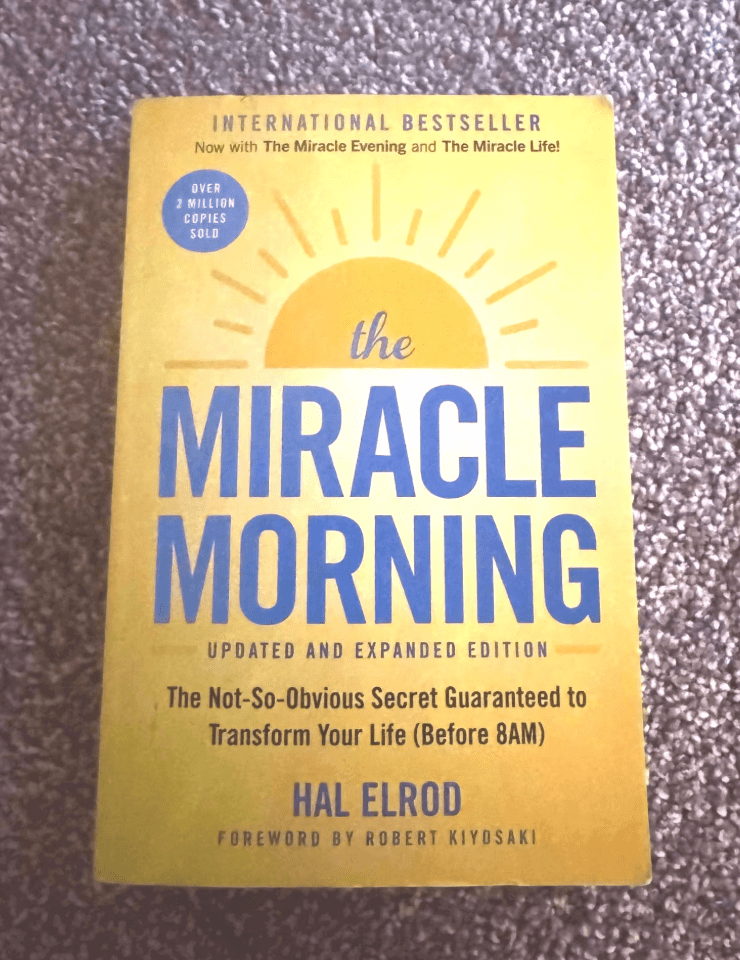
Inspired by: The Miracle Morning by Hal Elrod
Instead of a two-hour routine you’ll abandon in a week, create a 15-minute non-negotiable version:
- 5 minutes of movement
- 5 minutes of journaling or gratitude
- 5 minutes of breathwork or silence
Consistency beats complexity every time (Elrod, 2016).
6. Label Your Emotions to Regain Control
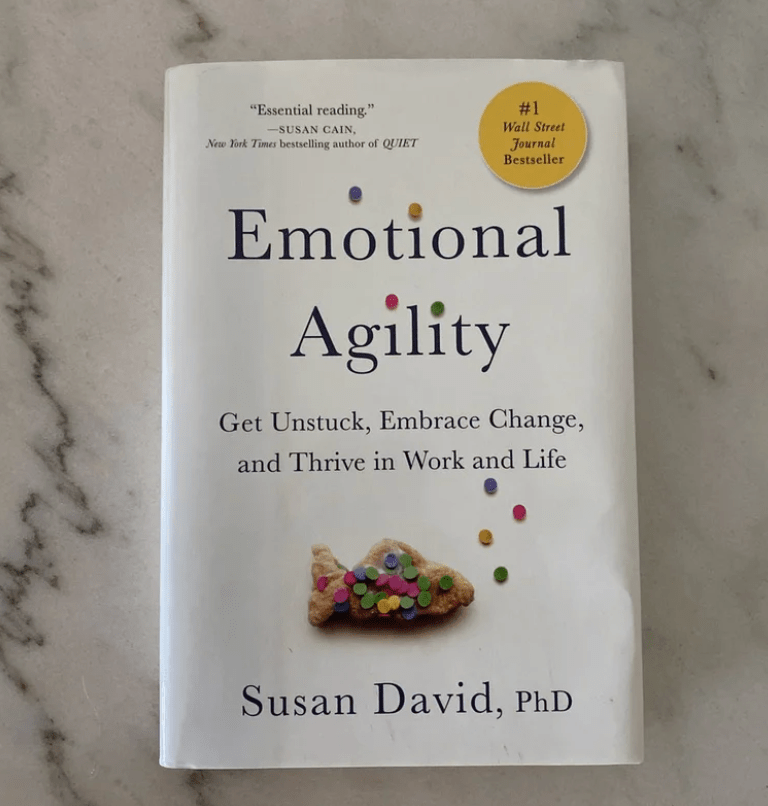
Inspired by: Emotional Agility by Susan David
Say it to tame it. Labeling emotions activates the rational part of your brain and reduces their intensity. “I’m feeling anxious.” “I’m feeling overwhelmed.” “I’m feeling disappointed”
This simple habit increases emotional regulation and builds self-awareness (David, 2016).
7. Say “Let Me Get Back to You” Instead of “Yes”
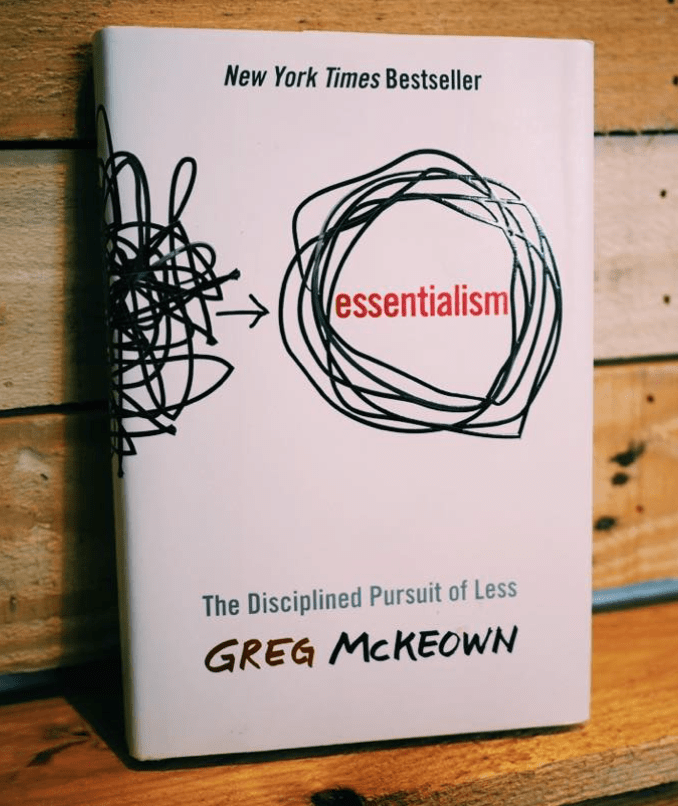
Inspired by: Essentialism by Greg McKeown
If you’re a chronic overcommitter, this phrase can change your life. It gives you space to evaluate whether something aligns with your priorities without guilt (McKeown, 2014). For my fellow introverted ambiverts, there’s nothing like that rare, fully-charged moment when you agree to something — knowing damn well your future, drained self is going to regret it.
8. Romanticize Your Life, Not Just Your Goals
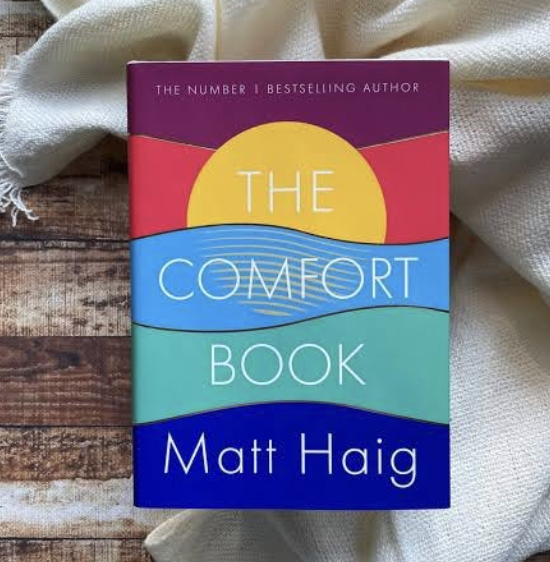
Inspired by: The Comfort Book by Matt Haig
Light a candle while you fold laundry. Eat lunch outside. Create mood playlists for everyday tasks.
Joy isn’t just for milestones. It can also be found in the mundane.
Make your life feel like it’s already worth celebrating (Haig, 2021). Because it is.
Final Thoughts
You don’t need to become a whole new person to feel better. You just need to update and shift the systems running in the background of your life. With a few intentional changes, make better use of your time, create more peace, and reconnect with what makes life meaningful to you.
Start small. Stay consistent. And for the love of God, protect your peace like it bankrolls the life you’re building.
 Lence in Layers